Dorm Room Ideas for Guys: 15 Ways to Make 120 Square Feet Feel Like Yours
My cousin moved into his college dorm last September with a twin XL bed, a desk that came with the room, and an empty white cube of a space that felt like a holding cell. He called me the first week and said “it just feels terrible in here, I don’t know what to do.” Two weekends and about $200 later, it felt like somewhere he actually wanted to be — somewhere his friends wanted to hang out, somewhere he could study without the walls closing in.
The constraints in a dorm room are real: you can’t paint, you can’t damage the walls, you share the space, and every inch matters. But those constraints force a kind of efficiency in decorating that larger, freer spaces don’t. When you can only do a few things, you do the right things. Here’s what actually works.
Plants — The Low-Maintenance Version Only
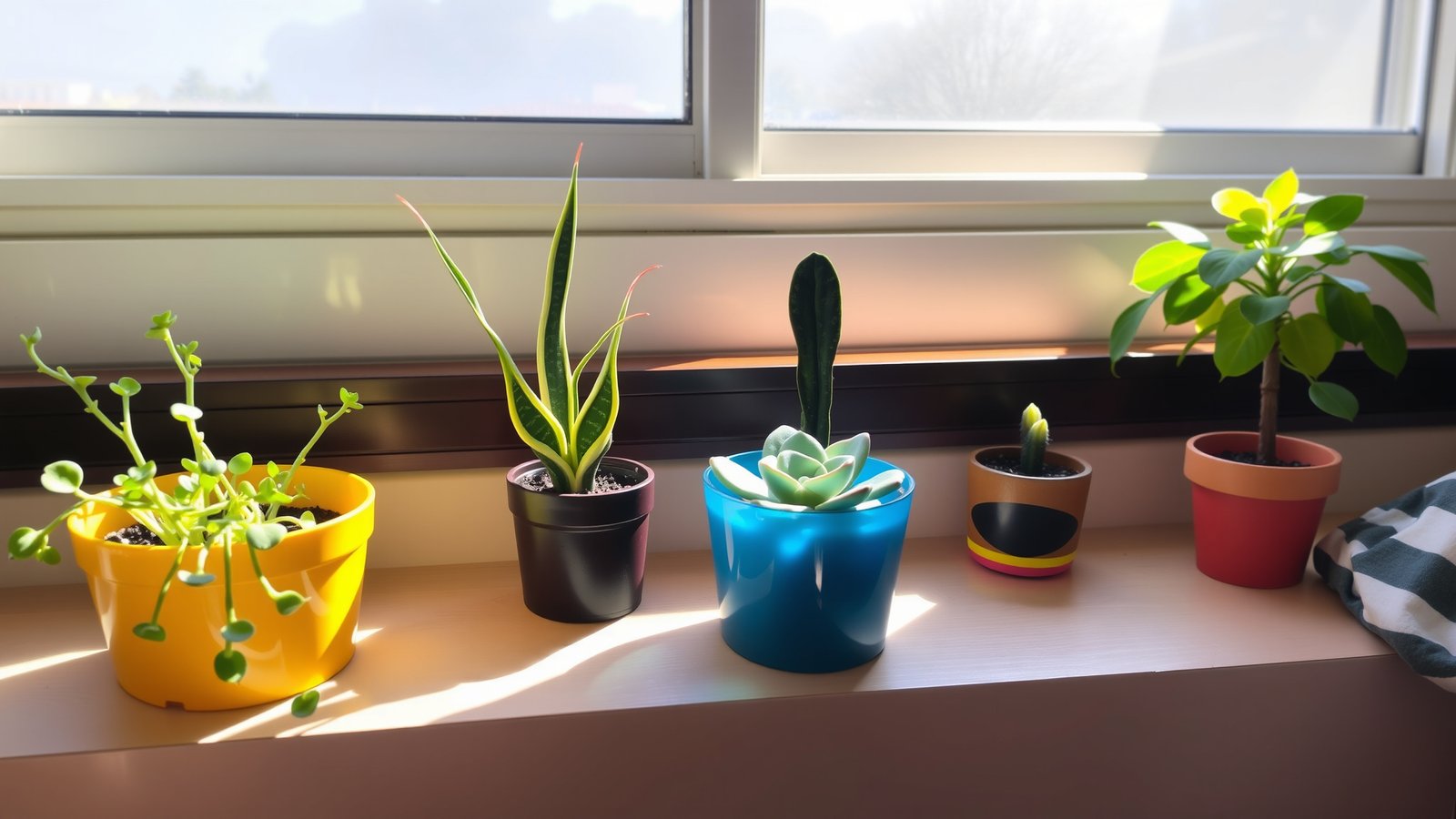
Plants in a dorm room work if you choose the right ones and don’t overcomplicate it. A pothos cutting in a glass of water on the desk — free if you know someone with a pothos, $6 if you buy a small plant from a garden center and take a cutting — grows visibly over a semester, tolerates low light, and requires water roughly once a week. A snake plant in a simple ceramic pot ($8–15 at most garden centers) sits on a shelf or windowsill, needs watering every two to three weeks, and looks genuinely good without any effort.
The plants I’d avoid in a dorm: succulents. They’re everywhere in dorm room decor advice and they’re the plant most likely to die in a space with inconsistent light and forgetful watering schedules. They need direct sunlight and regular attention. A ZZ plant needs neither and looks better.
One plant on the desk, one on a shelf. That’s enough. The room feels alive without turning into a greenhouse that’s harder to maintain than a biology experiment.
Wall Art — Theme or No Theme, But Pick One
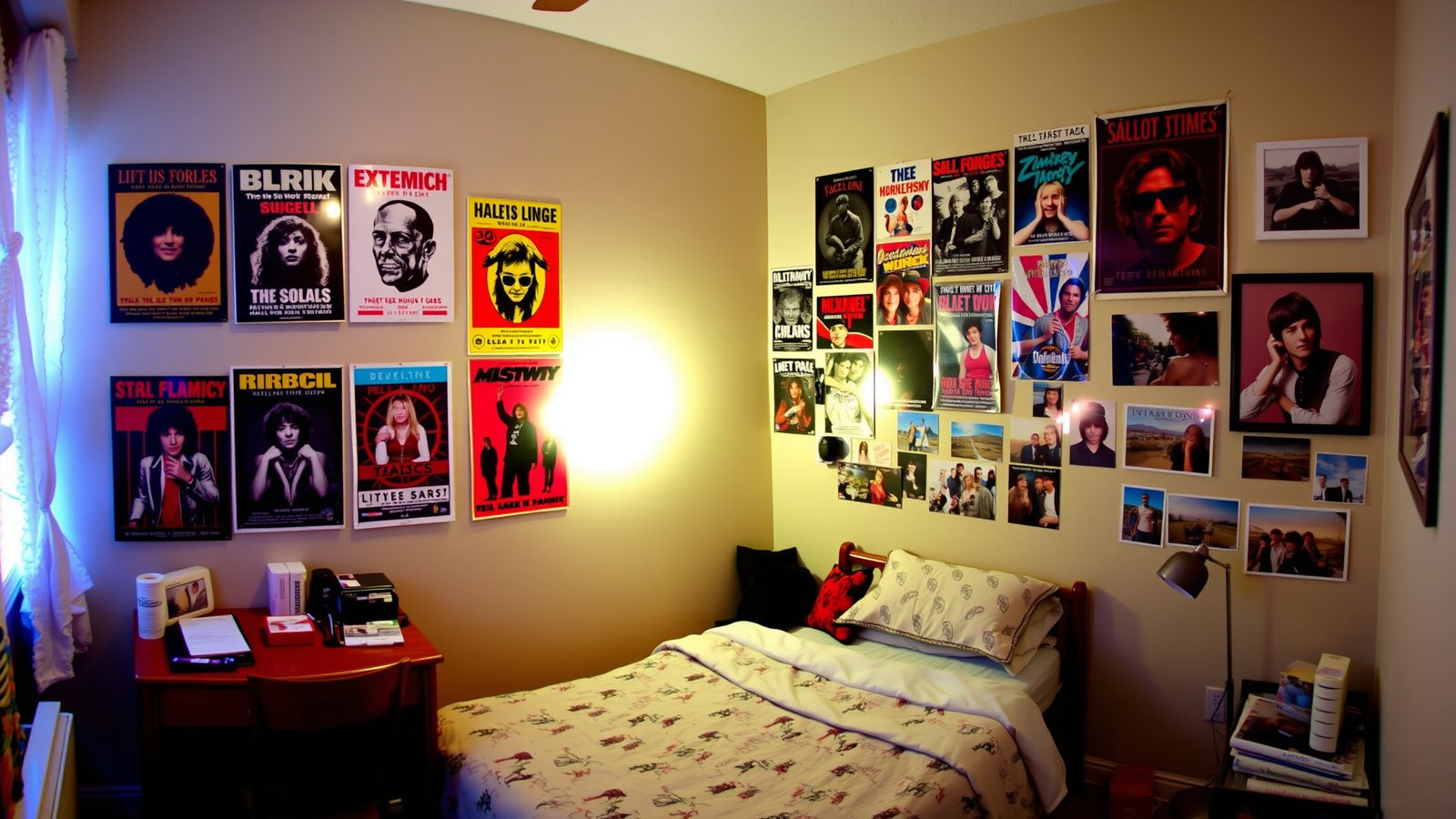
The dorm room wall is the canvas for the whole room’s personality. A completely blank white wall makes a dorm feel temporary. A wall with something intentional on it makes it feel like someone lives there.
Two approaches work. The first: one large piece — a canvas print, a poster in a proper frame (not just tacked to the wall), or a large framed photograph — above the desk or bed. Simple, strong, done. The second: a small gallery arrangement of five to eight pieces, consistent in frame style (all black, or all natural wood, or all frameless clips), grouped tightly enough that they read as one cohesive display rather than scattered decoration.
The version that doesn’t work: random posters from five different genres tacked at random heights across multiple walls with no visual relationship to each other. That’s not a decorated room — it’s a room that accumulated stuff.
Command strips and damage-free hanging are essential. 3M Command picture-hanging strips ($8–12 for a pack) hold real frames without damaging painted cinder block or drywall. They come off cleanly at move-out. Use them for everything on the wall.
A Reading Corner — Even in a Small Dorm
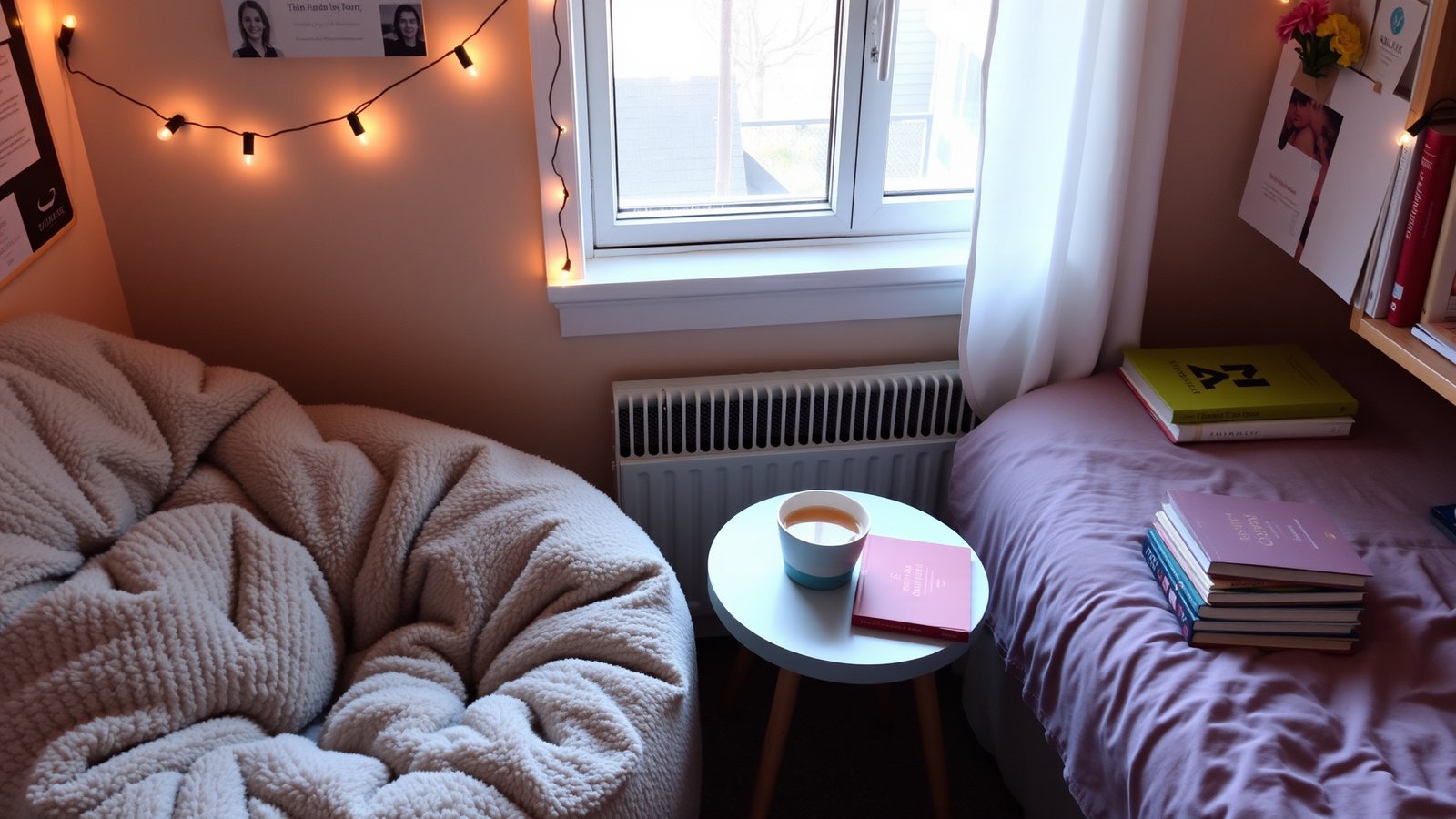
Most dorm rooms have at least one corner that doesn’t have anything assigned to it. That corner is the reading nook. A small floor cushion or a compact bean bag chair ($30–60), a floor lamp positioned to provide actual reading light ($25–45 for a clip-on or small floor lamp), and a stack of books or a small shelf nearby — that’s a reading corner in a dorm, and it changes how you use the room.
The bed is where you sleep. The desk is where you work under pressure. The reading corner is where you do everything that doesn’t fit neatly into either of those — reading for pleasure, thinking, decompressing, talking to a friend who came by. Having a third distinct zone in a small room makes the room feel larger and more intentional than a room that’s just a bed and a desk.
A clip-on reading lamp attached to a shelf or the side of a lofted bed ($15–25) eliminates the floor lamp if space is tight. The light quality matters: warm white (2700K) makes the corner feel cozy. Cool white makes it feel like a study hall.
Multi-Functional Furniture — Think Vertically
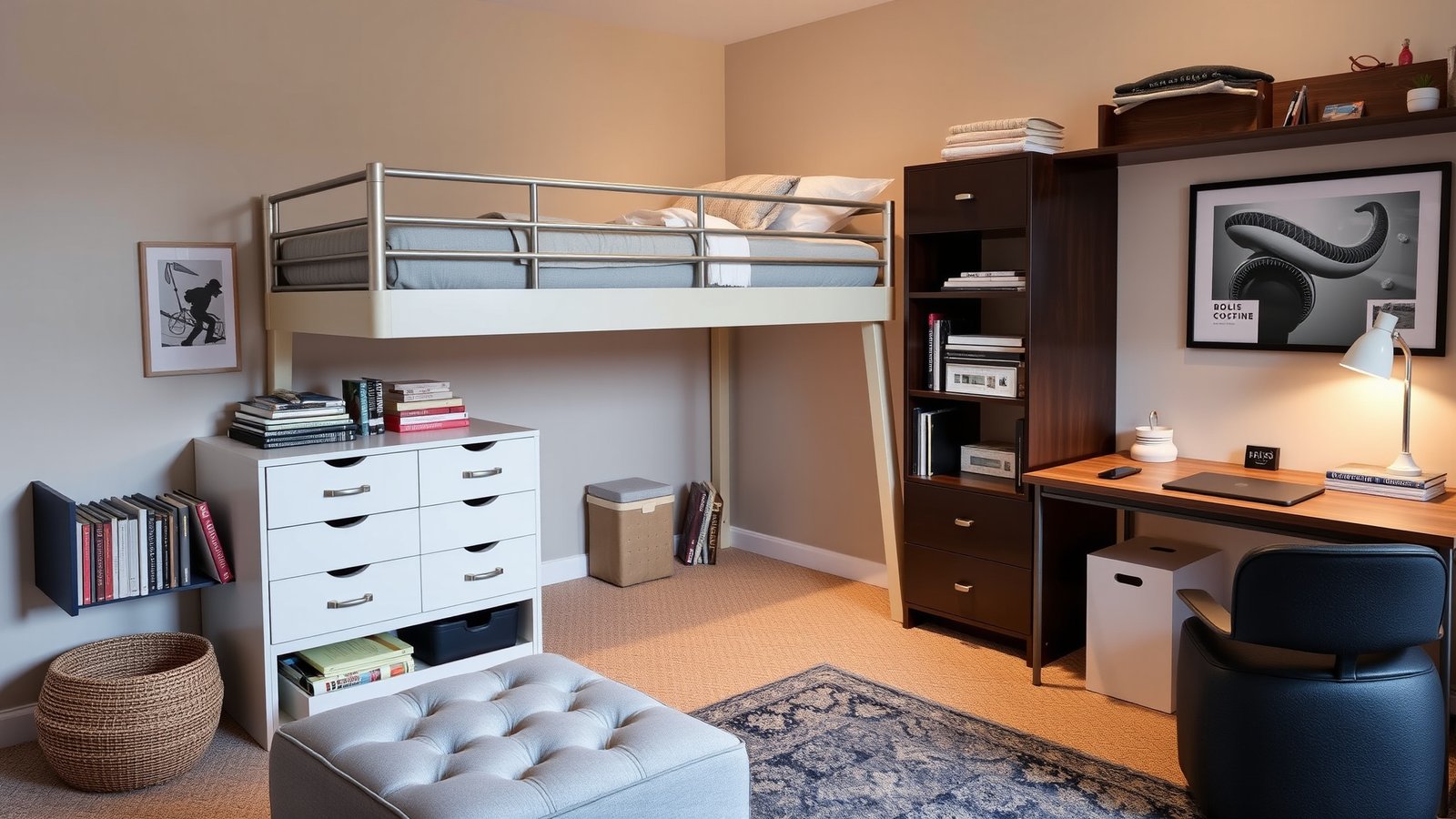
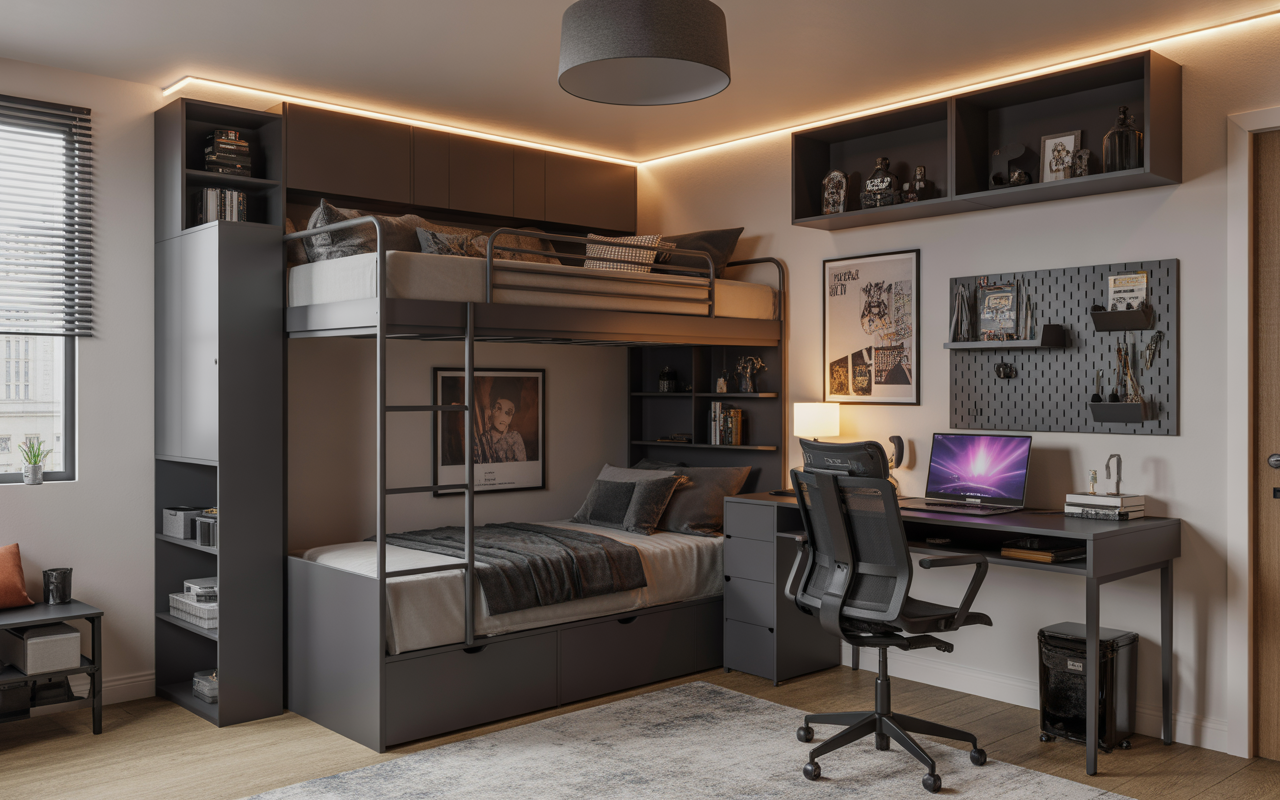
In a dorm room, any piece of furniture that only does one thing is wasting its footprint. The bed takes up the most floor space — a lofted bed (many dorms have adjustable bed frames that can be raised) frees the area underneath for a proper desk setup, a chair, or additional storage. That single change in bed height can effectively add 30–40 square feet of usable floor space.
Storage ottomans ($25–50) serve as extra seating when friends come over and hold extra bedding, seasonal clothes, or anything that doesn’t have another home. A bed riser set ($15–20) that adds 5–6 inches of clearance under a non-lofted bed creates room for flat rolling bins ($12–18 each) — the under-bed zone in a dorm is some of the most valuable storage real estate available.
The one purchase I recommended to my cousin that changed his room the most: a set of over-door organizers on the back of his closet door ($15–25 at most discount stores). Shoes, accessories, chargers, headphones — all of it moved from surfaces to behind a door. Every surface in the room immediately looked more manageable.
Bedding — Where the Room Budget Actually Matters
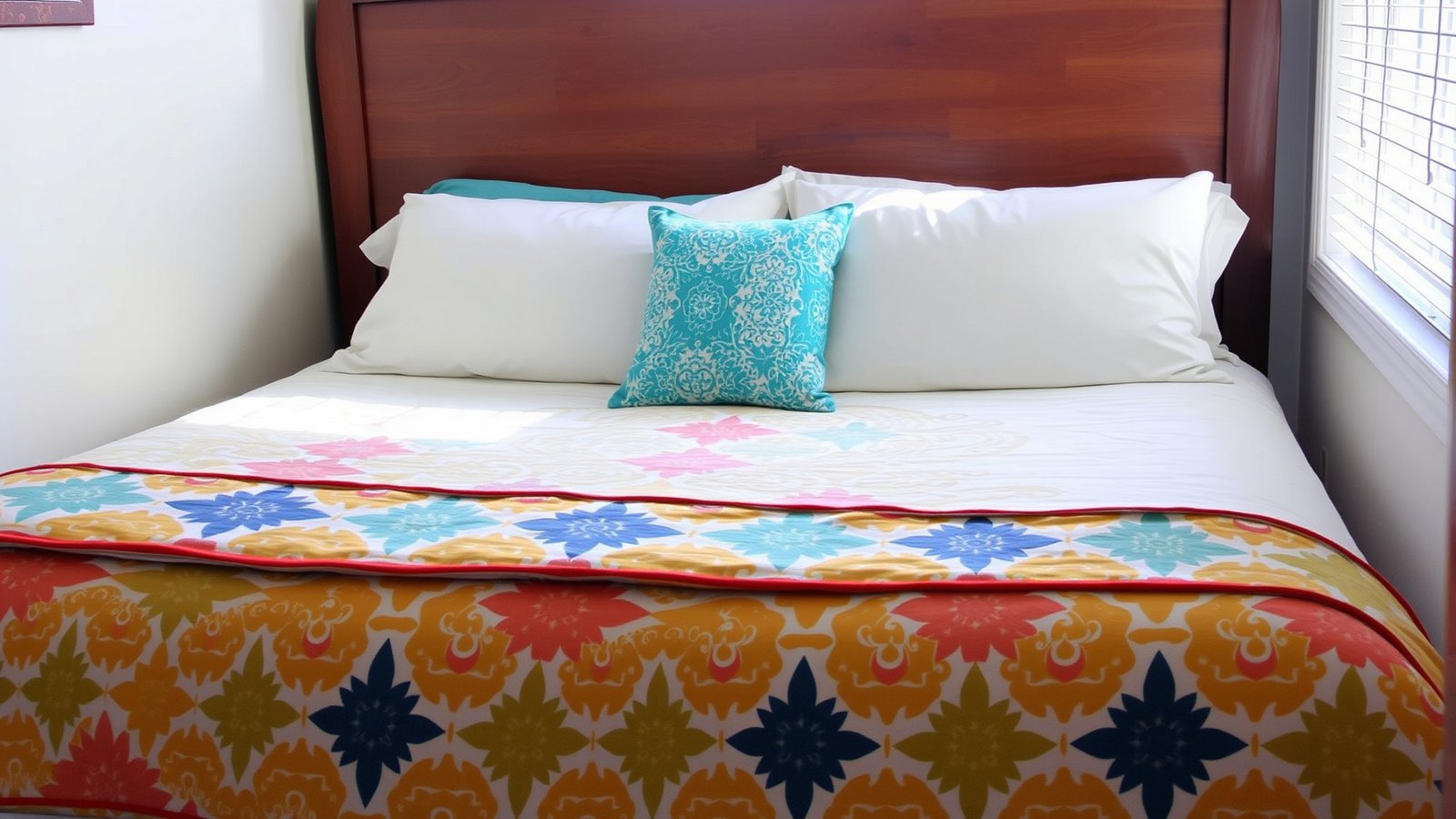
The bed is 60% of the visual real estate in a dorm room. If it looks good, the room looks good. If it’s a mess of mismatched sheets and a flat pillow, no amount of wall art will fix it.
For a twin XL (the standard dorm size — measure and confirm before buying anything): a duvet cover in a color or pattern you’ll actually want to look at every day, not just the first week. Washed cotton or linen duvet covers wash well, don’t need ironing, and hold up over a full academic year of dorm-level laundry cycles. Amazon Basics and IKEA’s ULLVIDE range both have genuinely good options at $25–45. A chunky throw blanket draped across the foot of the bed ($20–35) adds the layered look that distinguishes a styled dorm bed from one that just has sheets on it.
Two sleeping pillows behind two smaller throw pillows — that’s the bed formula that looks intentional in about ninety seconds. The throw pillows don’t need to be expensive: H&M Home and IKEA both have solid options at $8–15 each.
The Tech Corner — Cable Management Is the Whole Job
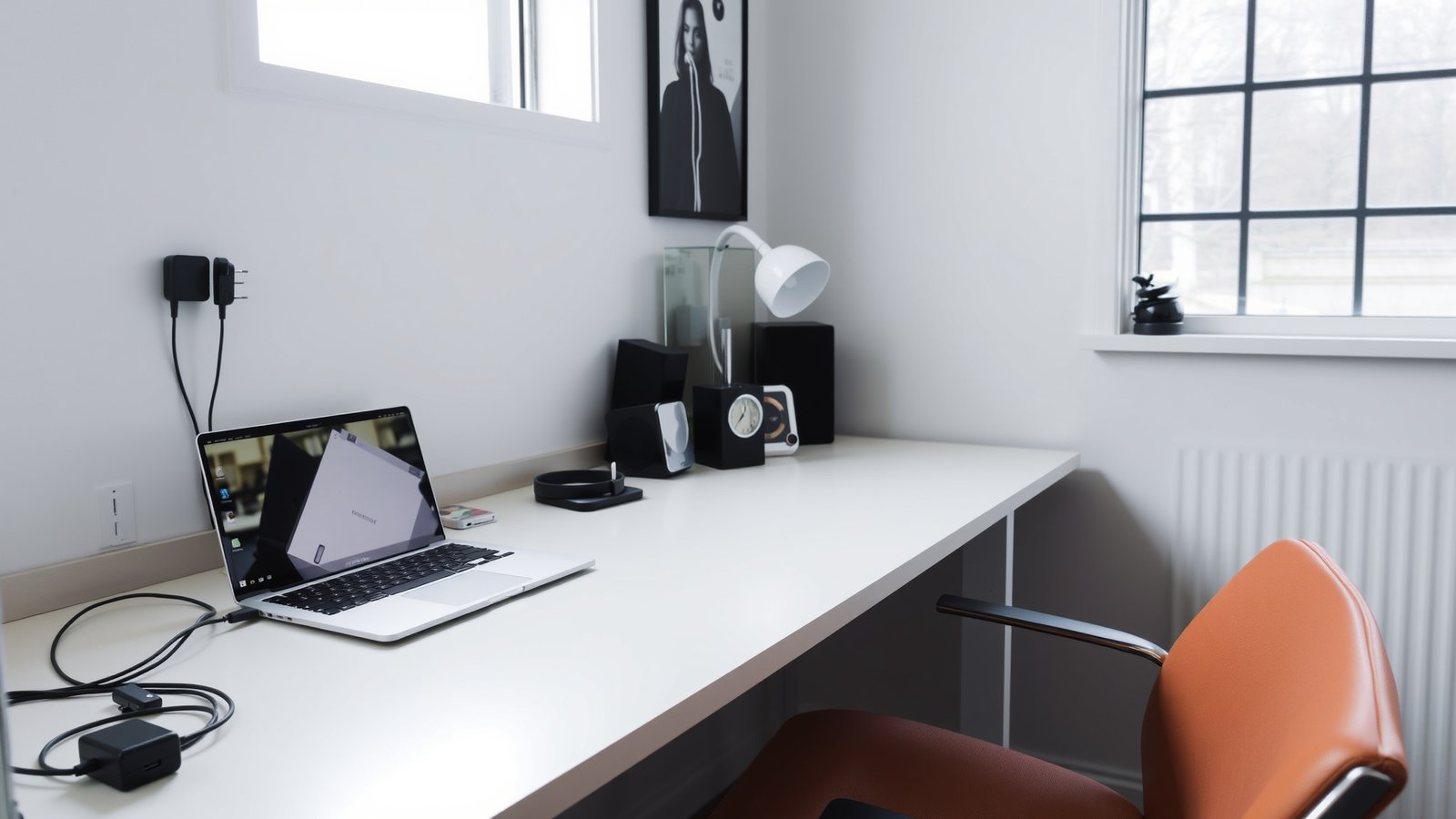
A clean tech setup in a dorm room is almost entirely about cable management. The desk with a laptop, monitor, phone charger, headphone stand, desk lamp, and three different power bricks connected to a power strip — visible cables running everywhere — looks chaotic regardless of how expensive the equipment is. The same setup with the cables hidden or organized looks like someone who has their life together.
A cable management box ($15–20) hides the power strip and most of the cable mess in one move. Cable ties or velcro straps ($6–10 for a pack) organize everything that runs along the back of the desk. A wireless charging pad ($15–25) eliminates one cable entirely. That’s $30–50 in products that transform the desk from cluttered to clean.
The desk lamp matters more than most people think: a lamp with an adjustable arm and a warm bulb at eye level is the difference between studying with proper light and studying hunched toward a screen in a room that’s lit like an interrogation room. IKEA’s TERTIAL lamp ($13) is the one I recommend to everyone every single time.
A Personal Gallery Wall — The Version That Works
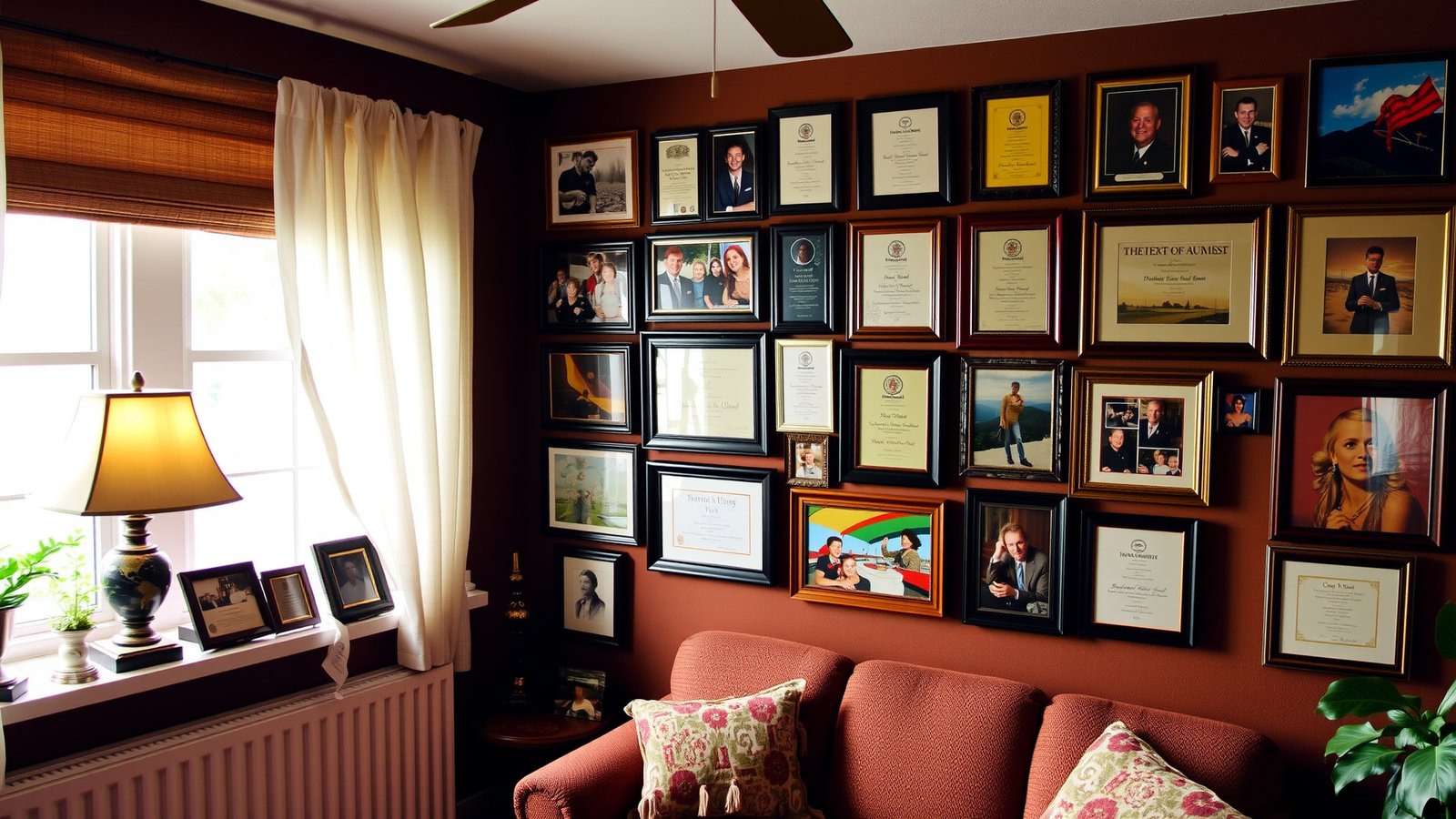
A personal gallery wall in a dorm works when it’s actually personal — photos that mean something, a piece of art you genuinely chose, a print from a place that mattered to you — and fails when it’s a random collection of things that looked okay individually but have no relationship to each other as a group.
The formula: consistent frames (all the same color, or at least all the same material), a mix of sizes but a consistent visual theme (all photos, or all art, or photos and one or two prints — not posters from five different interests mixed with family photos and sports memorabilia), and enough visual density that the arrangement reads as one piece rather than a scattered collection.
Print your own photos at a drugstore or Walgreens (4×6 prints at $0.20–0.40 each, 5×7 at $0.70–1.00) and frame them yourself rather than printing on photo paper and tacking them to the wall. Framed photos look permanent and chosen. Unframed photos tacked up look temporary. The cost difference is minimal and the visual difference is significant.
A Pegboard — The Vertical Storage That Actually Looks Good
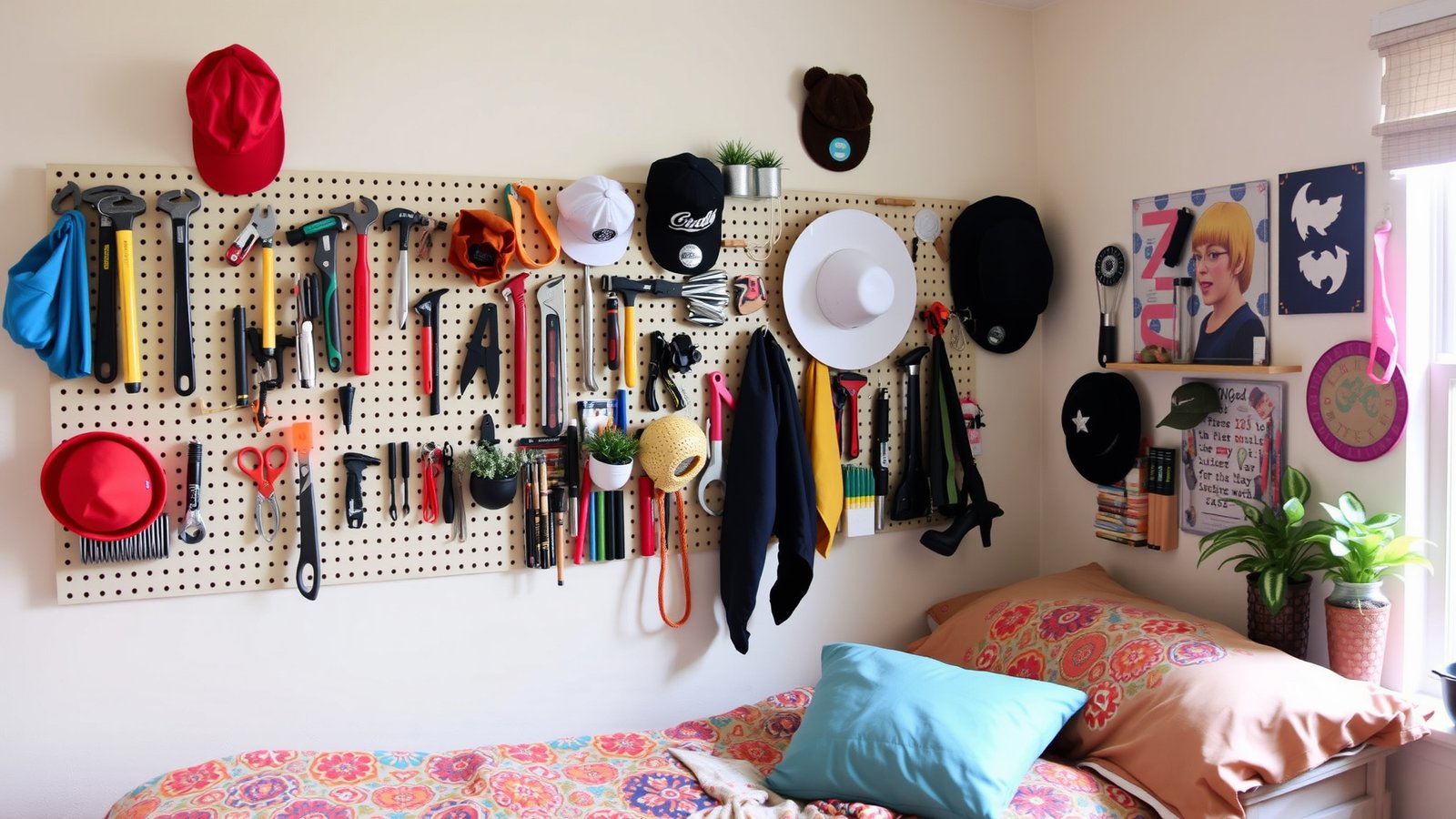
A pegboard above the desk in a dorm room is the storage solution that takes up zero floor space, zero shelf space, and makes the desk area look more organized and more designed simultaneously. Everything that would otherwise live on the desk — headphones, a small plant, a charging cable, a calendar — lives on the pegboard instead. The desk stays clear for actual work.
IKEA’s SKÅDIS pegboard ($15 for the standard size) comes with a basic set of hooks and can be hung with Command strips rather than screws, which matters in a dorm. Additional hooks and accessories are $3–8 each. Painted in a color that coordinates with the rest of the room (chalk spray paint, $6–10 a can), it becomes a design element rather than just a utility board.
The styling that makes a pegboard look intentional rather than utilitarian: arrange things at varying heights, leave some hooks empty, add one or two non-functional elements (a small plant, a print clipped to the board). The pegboard should look like it was styled, not just loaded.
String Lights — Used Correctly
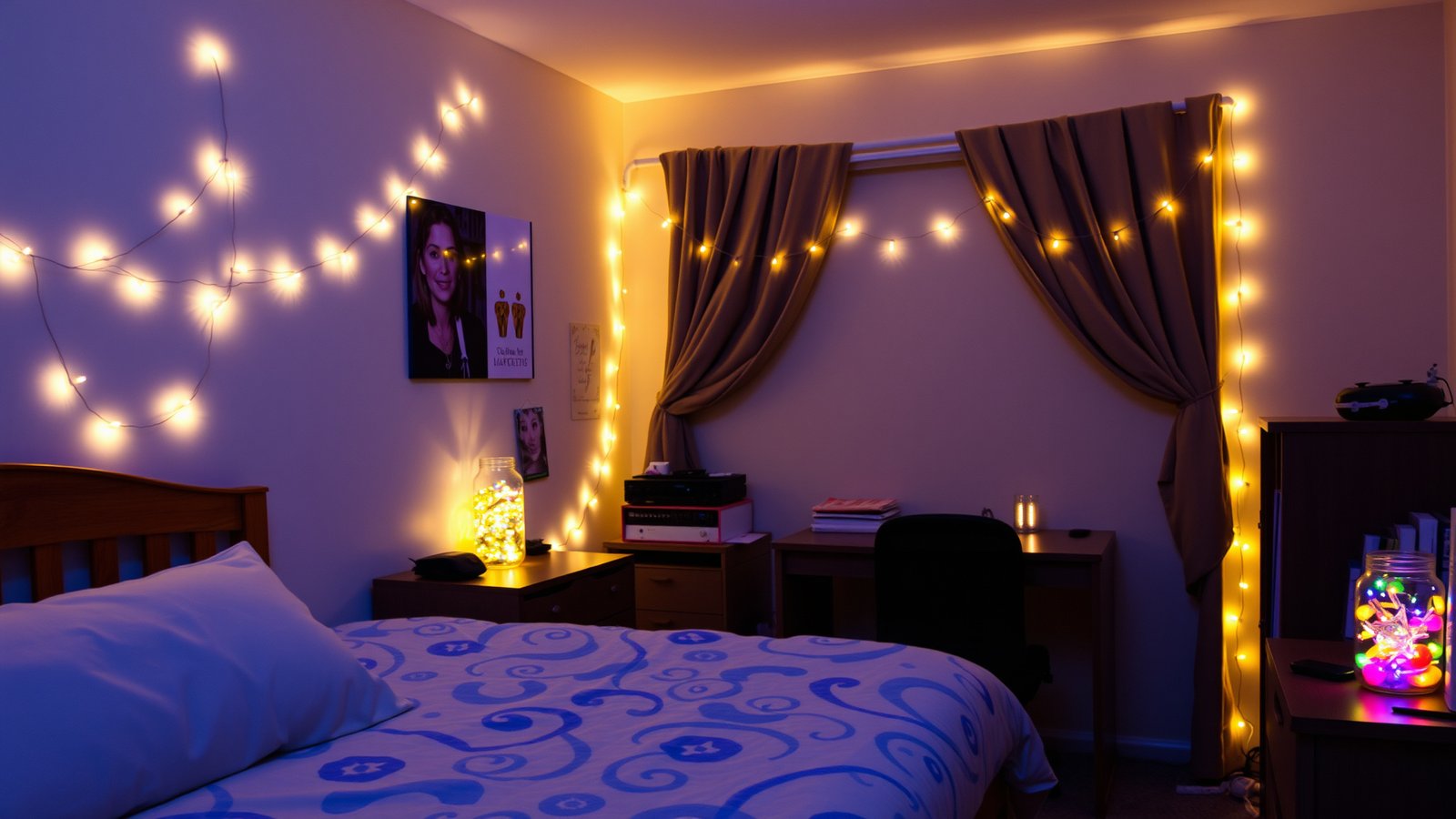
String lights in a dorm room have a bad reputation because they’re so often used wrong: bright white LED strips that make the room look like a hospital, or blinking rainbow lights that look like a Christmas tree. The version that actually works: warm white (2700K) Edison-style or globe string lights, non-blinking, draped behind the bed frame or along one wall, on a timer so they come on in the evening and turn off automatically.
That setup — warm white lights at low height on a timer — adds ambient warmth to the room in the evening that the overhead fluorescent fixture cannot provide. Combined with the desk lamp and any other warm light source, the room shifts from institutional to genuinely cozy in the evening.
Battery-operated string lights ($10–15 for a quality set) work in dorms where there aren’t enough outlets near the bed. USB-powered lights plugged into a power bank are the other option. Command hooks keep them off the wall properly without damage.
Sports and Interests Corner — Edited, Not a Shrine
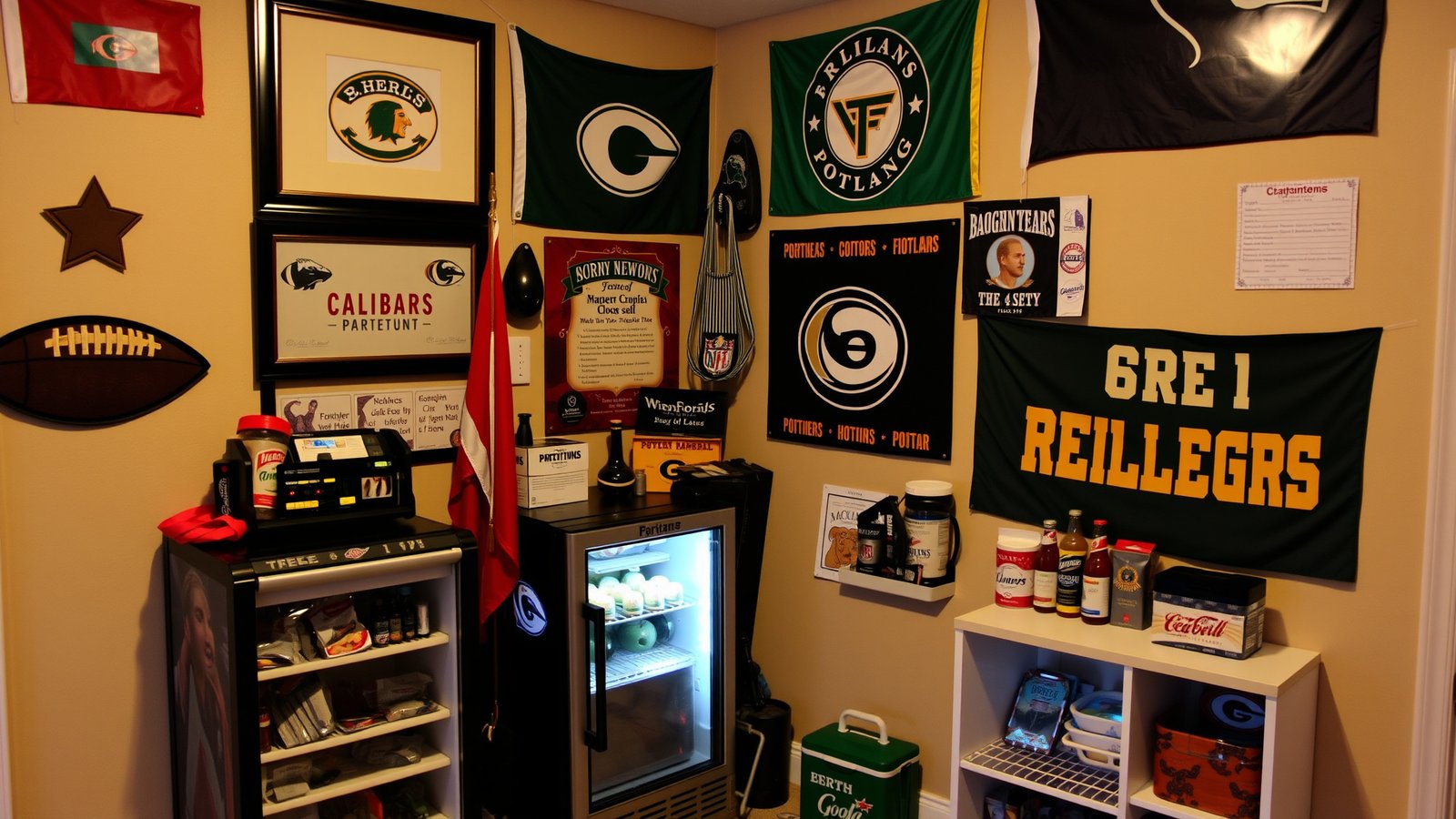
A sports corner or a dedicated display of any specific interest works in a dorm room when it’s treated as a designed element rather than accumulated memorabilia. A single jersey framed or pinned cleanly on one wall section, a team flag hung straight and level, two or three relevant items arranged with intention — that reads as a person who knows who they are and has a point of view. Fifteen different team items scattered across multiple walls reads as a room where things kept arriving.
The framing approach for a jersey: a jersey frame ($25–45 at most sporting goods stores or online) is designed specifically for this and makes any jersey look like it belongs in a properly decorated room. Without the frame, a jersey pinned to a wall looks like laundry.
The rule that makes any interest-based display work: everything for that display goes in one defined area. The sports stuff goes on the wall above the dresser or in one corner. It doesn’t spread. When it stays contained, it looks curated. When it spreads across the whole room, it looks like an obsession.
Desk Organization — Three Zones, Not Thirty Containers

Desk organization in a dorm room requires fewer products than the organization industry would have you believe. Three things: a pencil cup for pens and pencils ($5–8 for a simple ceramic or metal one, or repurpose a mug), a small tray or drawer organizer for everything small that would otherwise scatter (paper clips, sticky notes, earbuds, a USB drive), and a designated “to-do” or paper area (a clipboard or a small vertical file holder). That’s it.
The organizational products that don’t work: complex multi-section desktop organizers that end up holding random things that don’t belong there, and eventually get shoved to the side of the desk. Simple containers for specific categories, easy to grab from and put back into, are the version that gets maintained rather than abandoned.
A whiteboard or a small corkboard ($10–20) mounted on the wall above the desk or attached with Command strips handles the calendar, to-do lists, and notes that would otherwise live in a paper pile on the desk. Moving those items off the desk surface is the single biggest desk organization change available.
Scent — The Room Change Nobody Sees
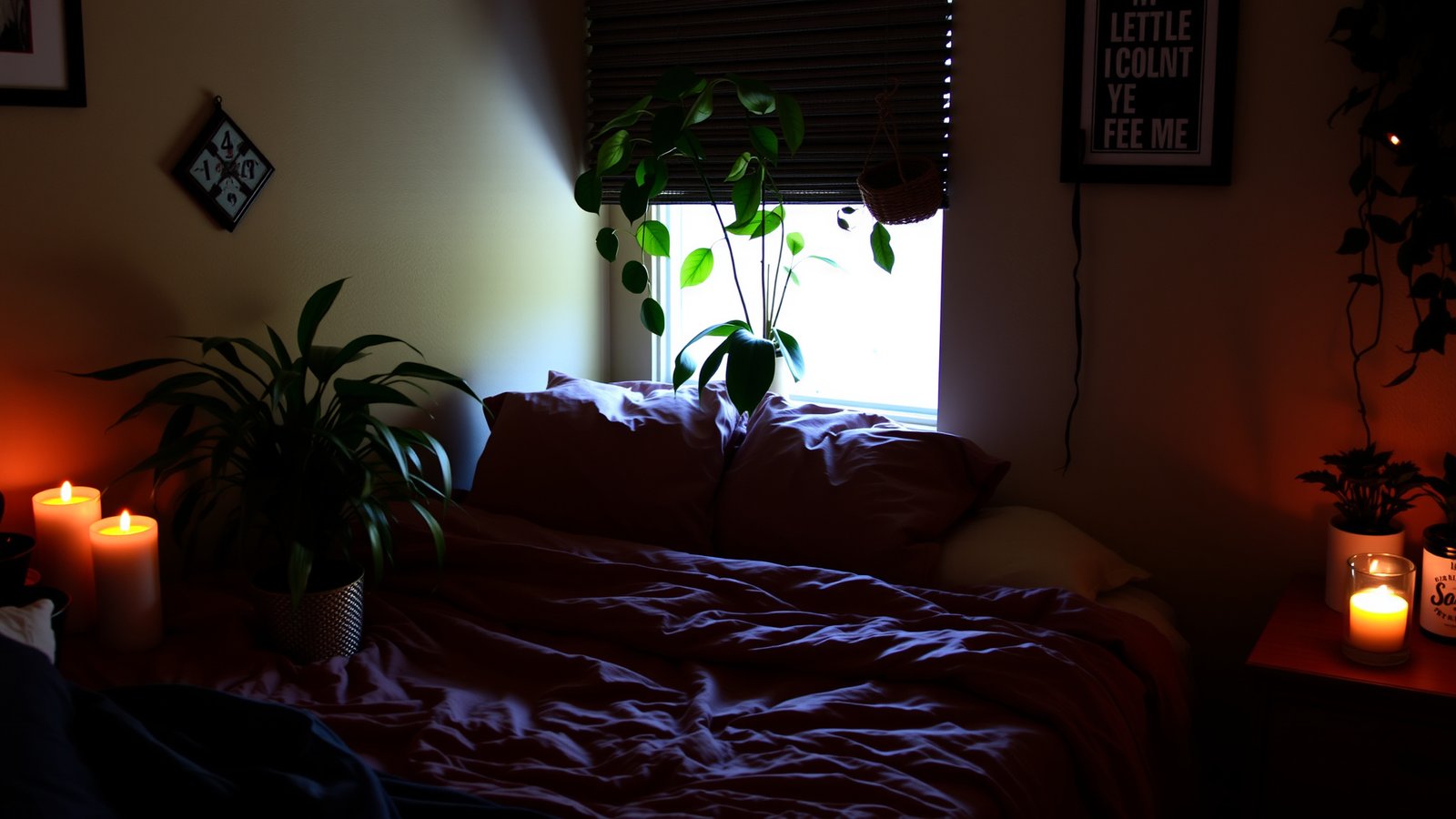
A dorm room has a specific smell challenge that most decorating advice doesn’t acknowledge: it’s a small space used for sleeping, studying, eating, and socializing, and without active ventilation it can develop an odor that becomes invisible to the person who lives there and very noticeable to anyone who visits.
The solution isn’t air freshener spray (too strong, too synthetic, too obviously masking something). It’s a reed diffuser in a light, clean scent ($15–25 for a quality one) or a small ultrasonic diffuser with essential oils ($20–30) set to run for two hours a day. Fresh linen, light citrus, or green tea are scents that make a room smell clean without announcing that someone tried to make it smell clean.
Candles are typically against dorm policy. An electric wax warmer ($15–25) with wax melts is the version that passes most fire safety rules and provides a similar scent effect without an open flame.
Vintage Finds — One Good Object
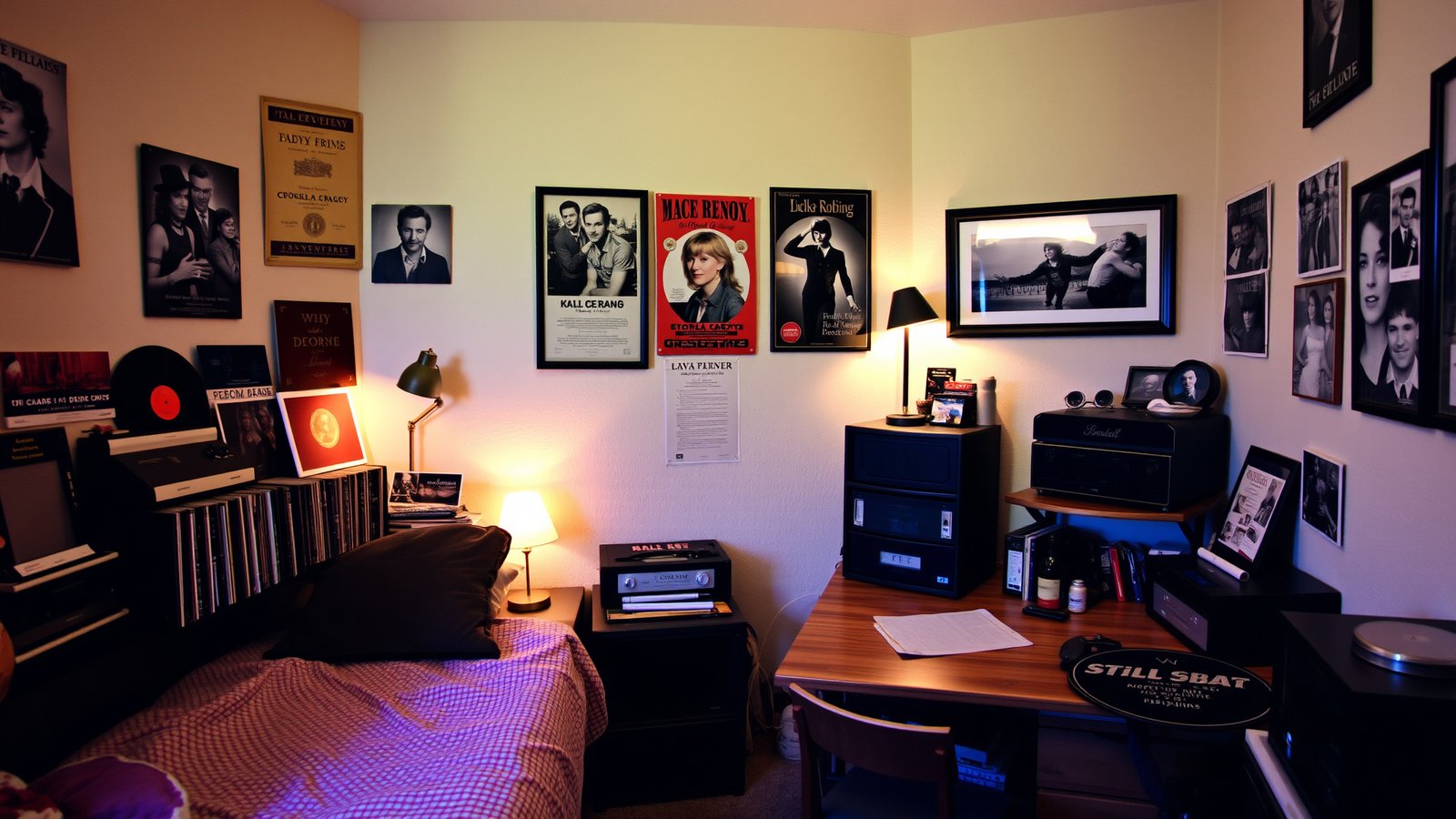
One good vintage find in a dorm room does more for the room’s personality than any amount of new decor bought from a dorm-specific store. A vintage lamp with an interesting base from a thrift store ($8–20) that’s been fitted with a warm bulb. A collection of old vinyl records displayed on a shelf not because you play them but because they look good. An old poster in a proper frame from an era you’re interested in.
Vintage items in a small space work when they’re genuinely interesting on their own terms — objects with visual quality that would hold up in any context. They don’t work when they’re quirky in a way that requires explanation. The test: if someone who knew nothing about the context would still think it was a good object, it works in the room.
Thrift stores near college campuses often have unusually good vintage finds because generations of students have donated interesting things. Estate sales in the first month of school, when families are clearing out properties, are worth attending.
DIY Shelving — Simple and Clean
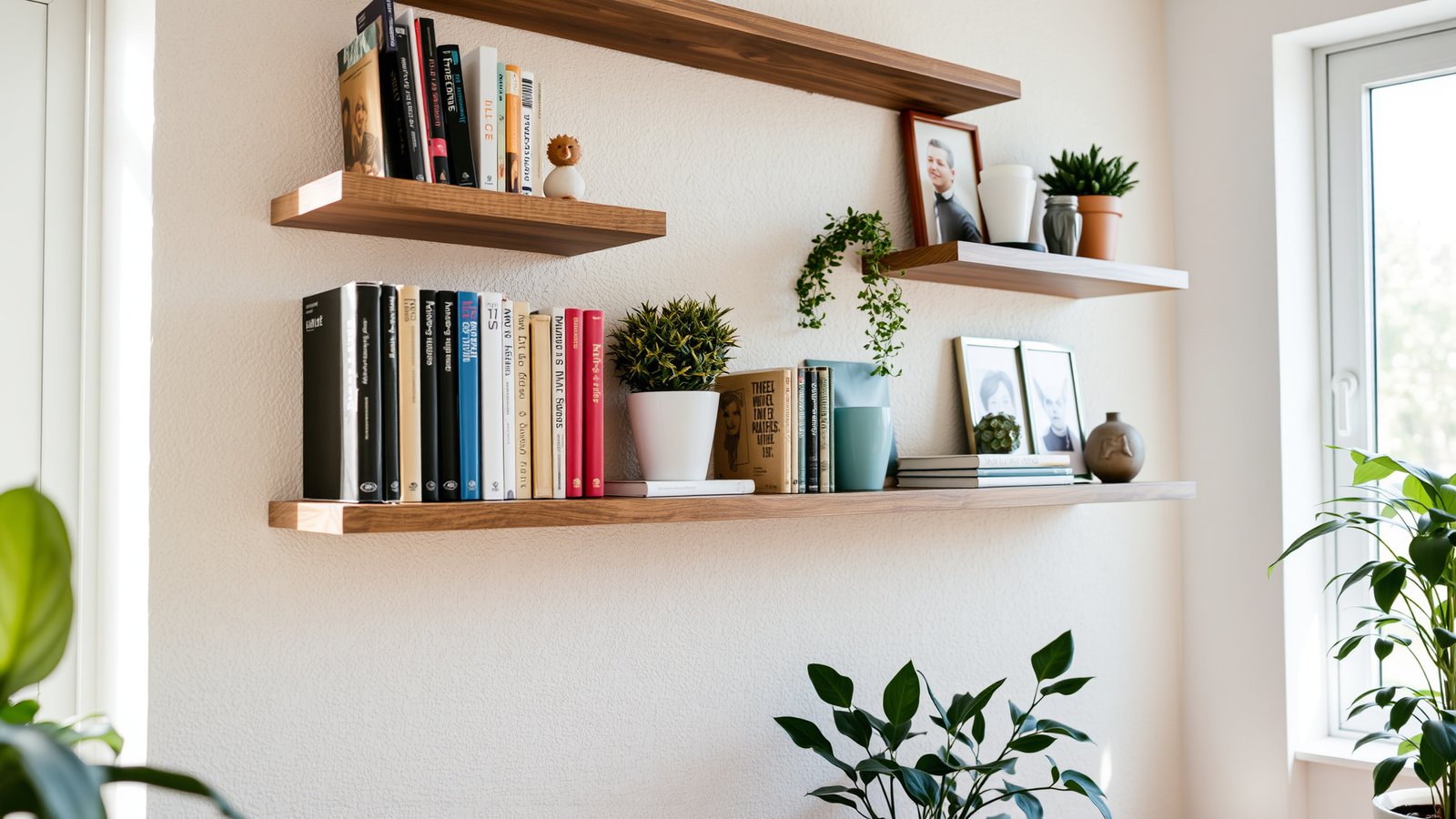
Floating shelves in a dorm room — even simple ones — add storage and display space that doesn’t touch the floor and doesn’t interfere with the limited furniture arrangement options. The constraint in a dorm is the no-damage rule: most dorms prohibit screwing into walls, which means shelves need to be either free-standing or attached with heavy-duty damage-free hardware.
For genuinely damage-free wall shelves in a dorm: Command shelf brackets ($12–15 for a set that holds up to 5 lbs each) handle a single shelf with books and small objects. For heavier loads, a freestanding ladder shelf ($40–80) leans against the wall without requiring any hardware and provides three to four shelf surfaces without damage.
The styling rule for dorm shelves: books, one plant, one or two objects worth looking at, and intentional empty space. Shelves in a dorm room that are completely full look like storage. Shelves with some breathing room look like a designed display.
Throw Blankets — More Than Comfort
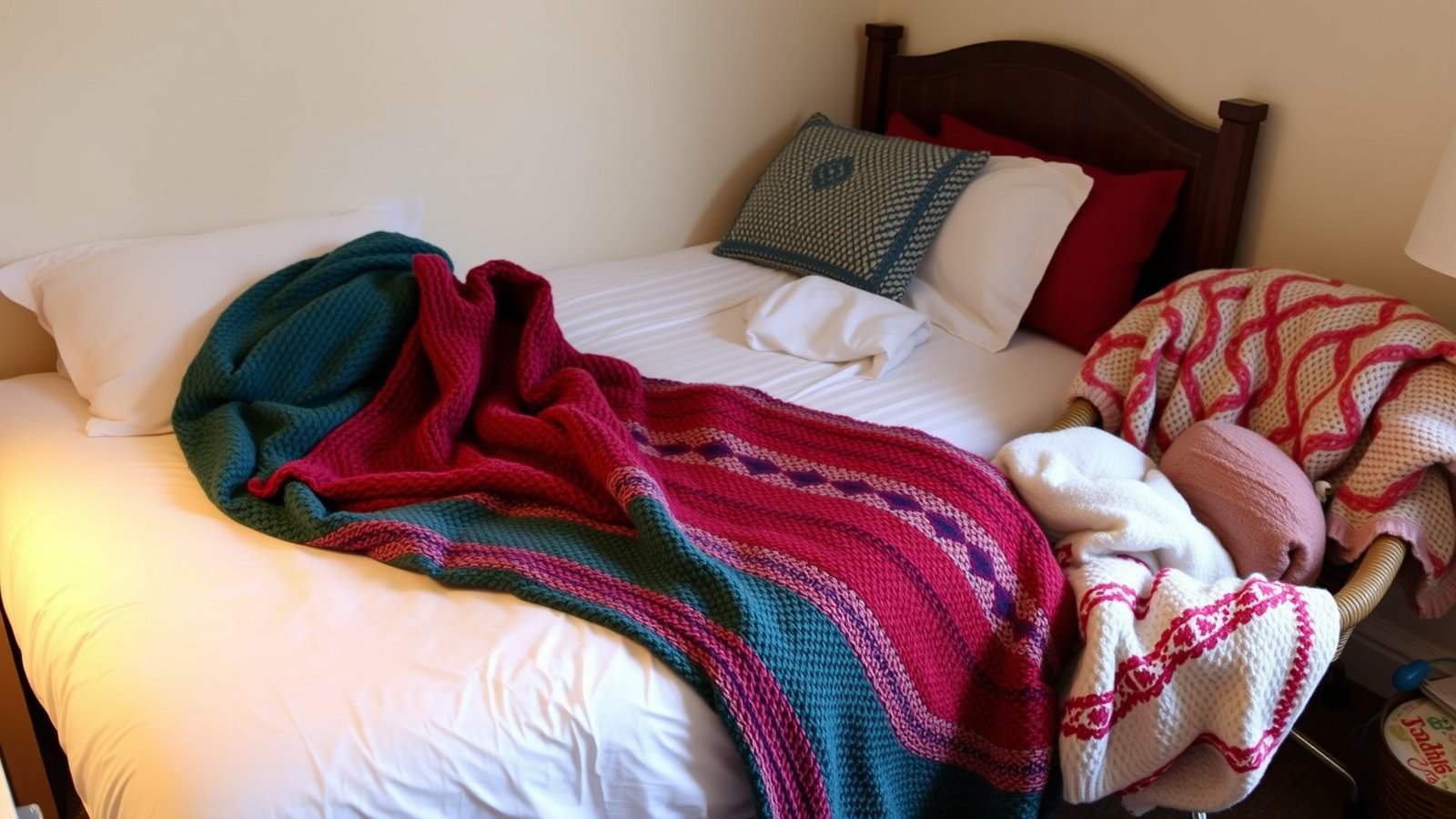
A throw blanket in a dorm room is one of the small purchases that has the highest ratio of visual impact to cost. Draped over the desk chair, it makes the chair look less institutional. Folded across the foot of the bed, it adds the layered look that distinguishes a styled bed from a made bed. Kept on the floor cushion of the reading corner, it makes the corner look inviting rather than functional.
The blankets that work best for this dual purpose — comfort and styling — are the ones with enough texture to look good folded or draped. A chunky knit in a warm neutral ($25–45), a waffle-weave cotton in oatmeal or charcoal ($20–35), or a soft fleece in a color that works with the bedding. Avoid anything with large graphic prints or licensed logos if you want the blanket to work as a styling element rather than just a functional item.
Two throw blankets in a dorm room is enough. One for the bed, one for the reading corner. More than that starts to look like a linen closet exploded.
Questions I Get Asked a Lot About Dorm Rooms for Guys
What’s the actual budget for making a dorm room look good? $150–250 gets most of the important work done: bedding that looks intentional ($40–60), a good desk lamp ($13–25), string lights ($10–15), command strips and hanging hardware ($15–20), one or two plants ($10–15), and a throw blanket ($25–40). The remaining budget goes toward whatever personal elements — a framed print, a pegboard, a vintage find — matter most to the specific room. Everything else is optional.
Can I make a dorm room look good without being able to paint or drill? Yes, and this is where most dorm room decorating happens. The wall color is the least important element in a small room — the bedding, the lighting, and the organization do far more for the room’s quality than the wall color. Command strips handle gallery walls, pegboards, shelving, and string lights. Freestanding furniture handles everything else. The no-damage constraint is more limiting in theory than in practice.
What’s the single most important purchase for a dorm room? The desk lamp. Everything else can be done gradually or skipped — the lamp cannot. Studying under a fluorescent overhead fixture for a full semester is genuinely unpleasant and affects focus and mood in measurable ways. A warm, adjustable desk lamp at eye level is the one piece of equipment that makes the dorm room better for the activity that matters most.
How do I deal with a roommate who has different aesthetic preferences? Divide the room clearly: your half, their half. Your side of the room can be styled as much as you want without requiring the other person to do anything. Focus decorating energy on your desk area, your half of the floor space, and the wall your bed is against. That’s enough territory to make a meaningful difference in how the room feels from your perspective.
How do I make a dorm room feel less like a box? Lighting and height variation. The overhead fluorescent is the enemy — turn it off in the evening and use your own warm light sources instead. Add something at different heights: a plant on a shelf, wall art at eye level, string lights above the bed. The ceiling height in a dorm room is fixed, but your eye doesn’t spend time at ceiling level. Filling the mid-height zone — shelf height, desk height, lamp height — with warmth and interest makes the room feel inhabited rather than institutional.
The Dorm Room That Feels Like Home Takes Less Than a Weekend
Most of what makes a dorm room feel like somewhere you’d actually want to be can be done in a few hours on move-in weekend. The bedding goes on the bed. The desk lamp goes on the desk and the overhead light goes off. A plant goes on the shelf. One or two things go on the wall. String lights go up.
That’s the foundation. Everything else — the pegboard, the reading corner, the vintage find, the gallery wall — gets added over the first few weeks as the room tells you what it needs.
Start with what makes the space feel like yours. The rest follows naturally.
My cousin’s dorm, two months into the semester: he added a small record player to the shelf and a vintage Radiohead poster above his desk. The room looks like him now. That’s the whole point.
— Emily
What’s the first thing you added to your dorm that made it feel like yours? Drop it in the comments — it’s usually the thing that matters most.