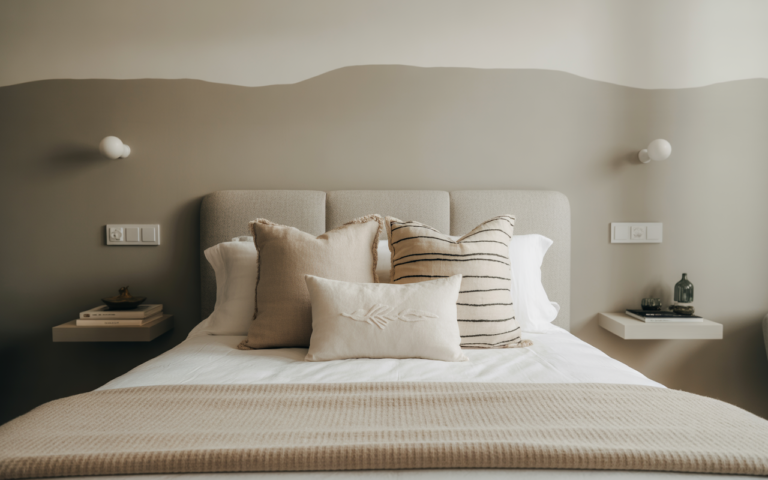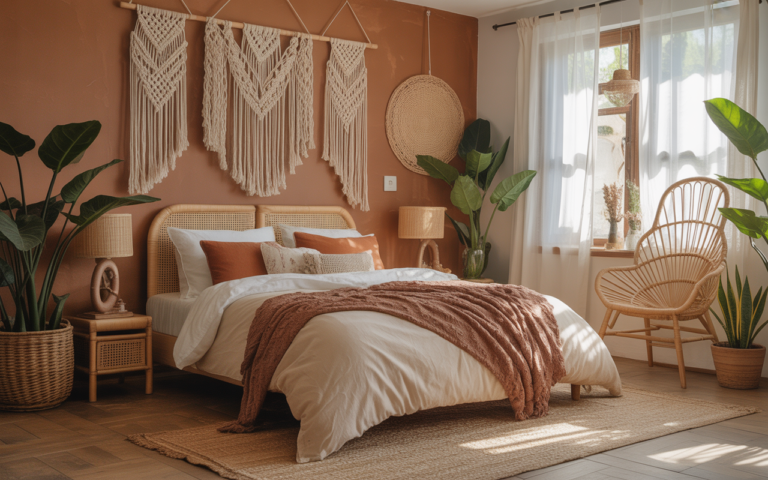
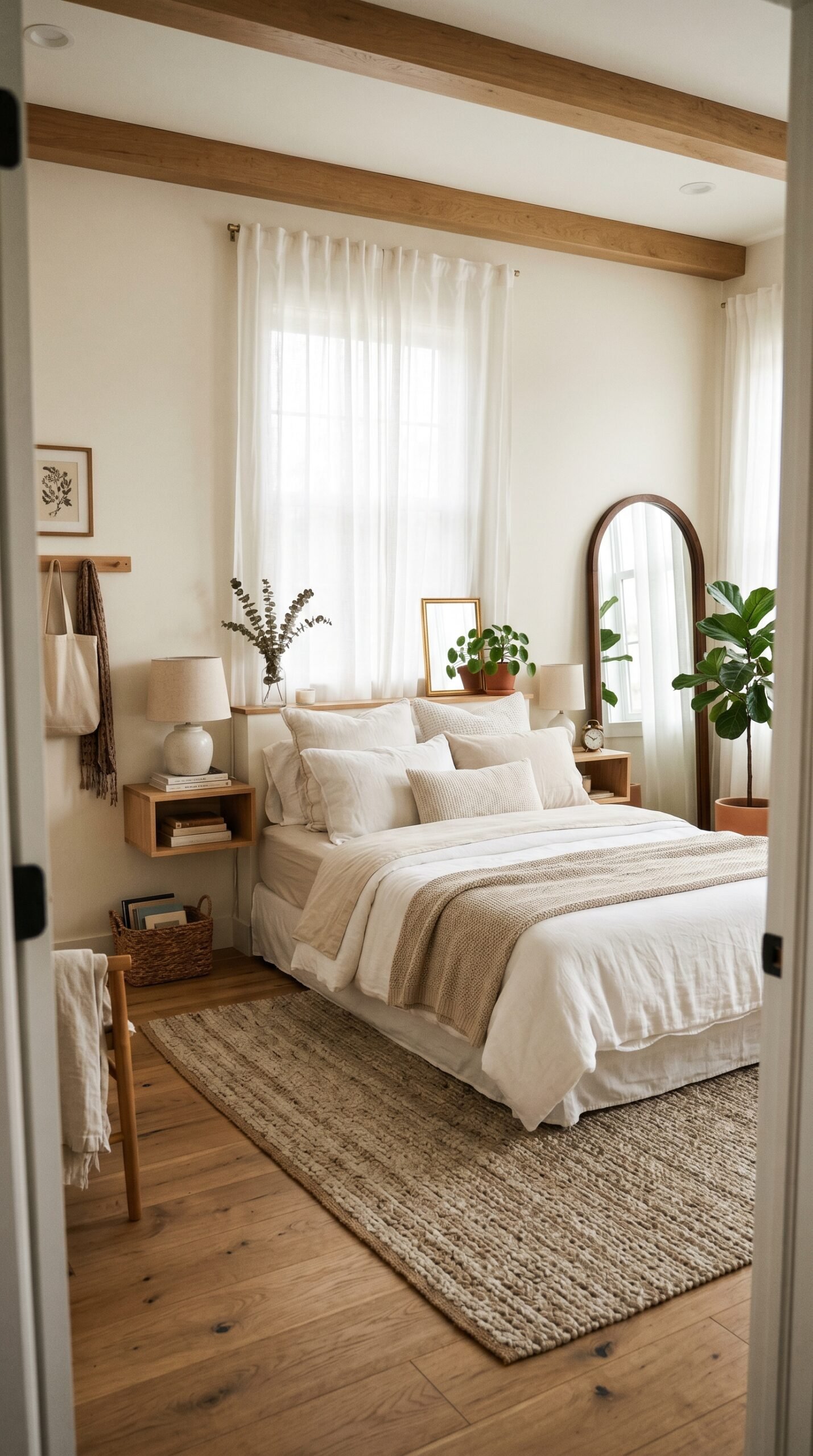
Small Bedroom Ideas: Make Every Square Inch Feel Like a Dream
My first apartment bedroom was 9 feet wide and 11 feet long. I measured it three times because I refused to believe that number. The full-sized bed took up most of it — once I pushed it against the wall, I had about 26 inches of clearance on the open side. The dresser I brought from home wouldn’t open its bottom two drawers without hitting the bed frame. I slept with a pile of clothes on the floor for six months before I finally admitted that the problem wasn’t the room — it was me.
That 99-square-foot room taught me more about small space decorating than anything I’ve read since. When every inch matters, you stop being precious about your choices and start being ruthless. What I’m sharing here is the version of small bedroom decorating I’ve actually lived — across six apartments, one shared house, and one truly humbling studio where the bedroom was also the living room and the dining room and the office.
These aren’t tips I collected from Pinterest. They’re ideas I’ve tested, failed at, and eventually figured out.
Get Things Off the Floor — Every Inch of Floor Counts
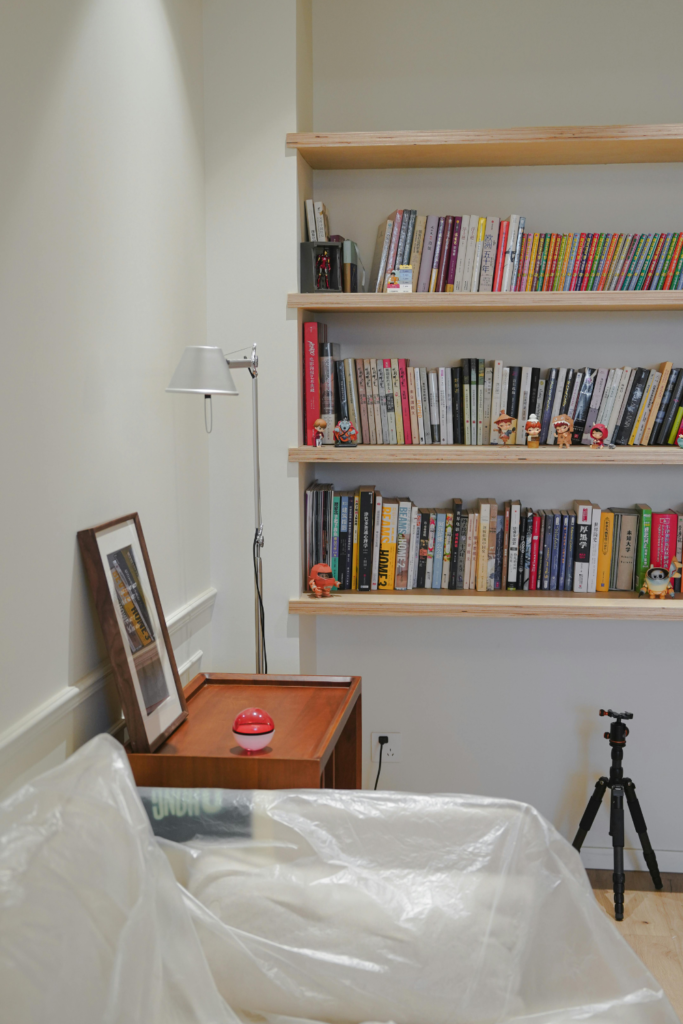
The single most effective thing you can do in a small bedroom has nothing to do with color or furniture style. It’s this: get as much as possible off the floor. Floor space is the most valuable thing you have. Anything sitting on it is costing you.
Floating Shelves Instead of Nightstands
This was the swap that changed my 99-square-foot bedroom. Traditional nightstands — even small ones — sit on the floor and take up footprint. Floating shelves mounted at the same height give you the same surface area (lamp, book, phone charger, glass of water) with zero floor impact.
I use 10-inch-deep floating shelves from IKEA’s LACK range — $8 each. Mounted at 26 inches above the mattress, they’re the right height for reaching without sitting up. The floor on both sides of my bed is completely clear and the room feels twice the size.
Go Tall With Shelving, Not Wide
A bookshelf that goes from floor to ceiling draws the eye upward and signals height the room might not actually have. A wide, low bookcase does the opposite — it competes for the same floor space your body needs. If you’re shopping for bedroom shelving, look for anything over 70 inches tall. IKEA’s BILLY bookcases at 79 inches are $69 and probably the most useful bedroom purchase I’ve made.
Hooks and Pegboards on Empty Wall Sections
There is no such thing as wall space doing nothing in a small bedroom. A row of 4–5 hooks near the door handles bags, belts, tomorrow’s outfit, and the jacket that doesn’t quite fit in the closet — without touching any shelf or floor space. A basic pegboard section (SKÅDIS from IKEA is $15) gives you even more flexibility. I’ve had one in every small bedroom I’ve lived in since I was 22.
Every Piece of Furniture Needs at Least Two Jobs
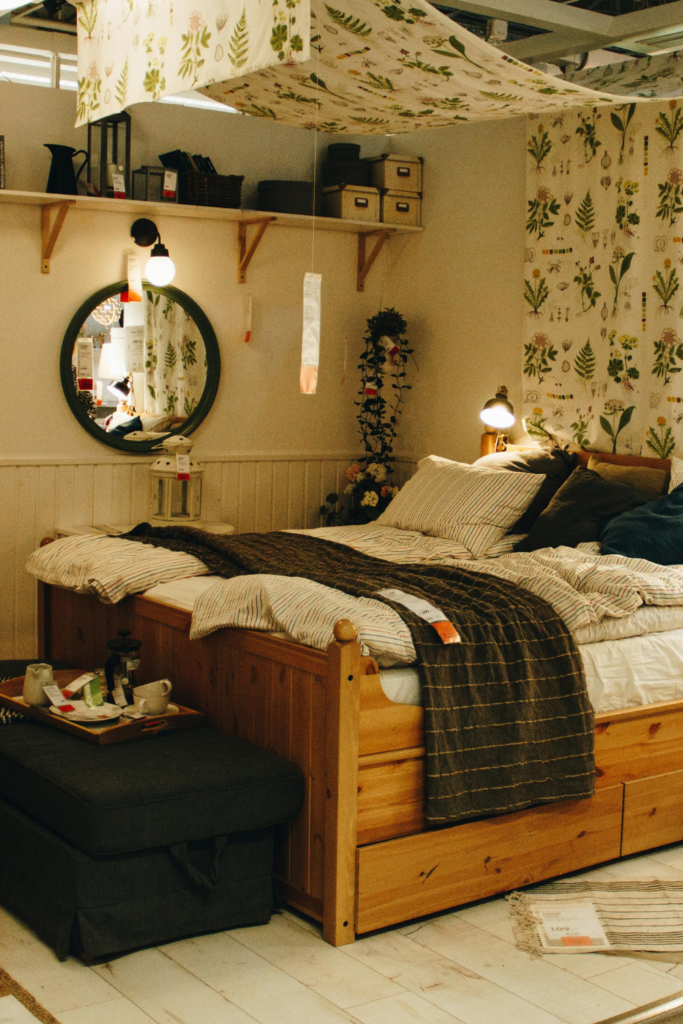
In a small bedroom, single-purpose furniture is a luxury you can’t afford. If something only does one thing, it has to earn its keep harder than everything else — or it doesn’t stay.
A Bed With Built-In Storage
The space under your bed is the most underused square footage in most bedrooms. A bed with built-in drawer storage on both sides turns it into your extra wardrobe, linen storage, or off-season clothing solution. Look for beds with drawers on both sides — one-sided drawer beds waste half the potential.
I made the mistake of buying an ottoman storage bed — the kind where the whole mattress lifts on a hydraulic mechanism. It sounded ideal. In practice, I had to completely clear the bed to access anything, which meant I never did. Drawers that slide open independently are significantly more useful in daily life.
IKEA’s MALM bed with four drawers starts at around $379. For a smaller budget, a basic bed frame with separate under-bed rolling bins ($15–20 each at discount stores) gives you similar storage functionality at a fraction of the price.
A Bench at the Foot of the Bed
A storage bench at the foot of the bed acts as a trunk, a place to sit while putting on shoes, and a visual anchor for the whole room — all at once. Even a simple upholstered bench without internal storage ($55–90 at most furniture retailers) makes an average bed setup look intentional and finished. Add one and the room immediately reads as designed.
A Slim Wall-Mounted Desk That Folds Away
If you work from home or need a vanity, a wall-mounted fold-down desk handles both. When folded down it’s a workspace. When folded up it disappears entirely. IKEA’s NORBERG wall-mounted drop-leaf table is $50 and fits in spaces where no freestanding desk would. A mirror mounted above it turns it into a vanity when not in use as a desk.
Color and Light Do More Than You Think
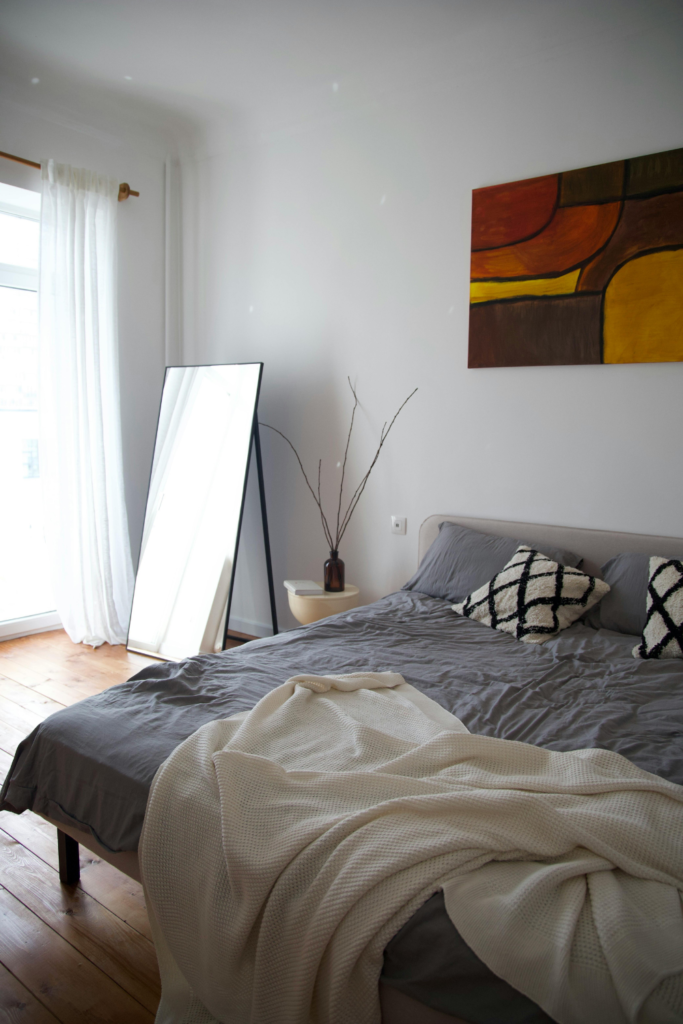
Here’s something that took me too long to learn: you can make a room feel meaningfully larger without moving a single piece of furniture. Color and light are doing more work in a small bedroom than most people give them credit for.
Light Walls — But Not Boring Ones
Pale walls reflect light and push the boundaries of the room outward visually. Soft whites, warm creams, sage greens, and blush pinks all work. What doesn’t work — and I learned this the hard way in my third apartment — is pure bright white. It reads clinical and cold rather than airy and light. A warm off-white like Benjamin Moore’s White Dove or Sherwin-Williams’ Alabaster ($65–70 a gallon) has the same light-reflecting quality with significantly more warmth.
One Accent Wall, Not Four Dark Ones
I painted my bedroom charcoal once — all four walls. I loved the idea of a moody, dramatic bedroom. I lasted three weeks before repainting. The room felt airless and heavy in a way that no amount of good lighting could fix. If you want color and drama in a small bedroom, one accent wall behind the headboard is the right move. The depth and character without the cave effect. For more on which colors are working in bedrooms right now, the 2026 paint color trends guide covers exactly that.
The Mirror Rule
A large mirror — leaning against a wall or hung opposite a window — doubles your light and fools the eye into thinking the room continues beyond its actual boundaries. This is one of those tricks that sounds too simple to work until you try it. A 48×72 leaning mirror costs $80–130 at most furniture stores. It’s probably the highest-impact-per-dollar upgrade available for a small bedroom.
Curtains From Ceiling to Floor
Even if your window is small, hanging curtains from ceiling height rather than window frame height creates the illusion of taller windows and a taller room. Keep them in a light fabric — linen, sheer cotton — and let them pool slightly on the floor. The effect is dramatic for a cost of $25–50 for a basic curtain panel set.
Storage That Looks Good Enough to Leave Visible
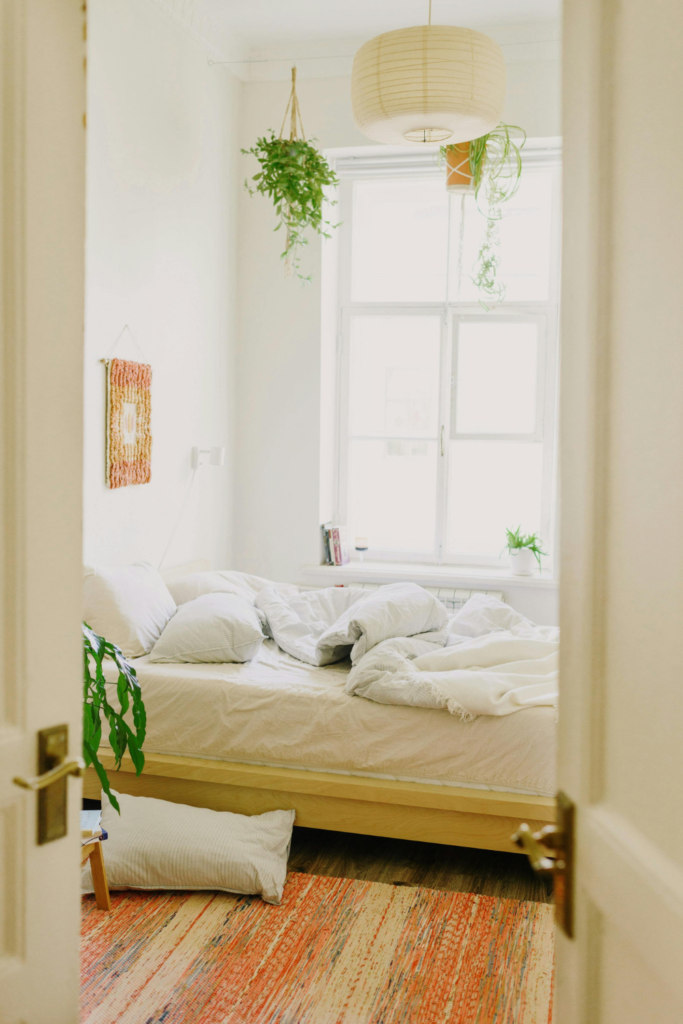
Storage is where small bedrooms live or die. You need more of it than you think you do, and it all needs to be smarter — and better looking — than a pile of mismatched bins.
The Hidden in Plain Sight Approach
Matching baskets, decorative boxes, and lidded ottomans let you store things visibly without looking chaotic. The key word is matching — a row of three same-size wicker baskets on a shelf looks curated and intentional. A random collection of plastic bins in three different colors looks exactly like what it is. Invest in consistency, even if it means fewer containers to start.
I use a set of six seagrass baskets I found at a discount store for $9 each. They live on two shelves and hold everything from extra blankets to things I’m not ready to deal with yet. Nobody knows that second part.
Use the Back of the Closet Door
Over-the-door organizers on the inside of your closet door are underused gold in small bedrooms. Shoes, accessories, scarves, belts, extra toiletries — all of it can live behind that door without taking up a single inch of shelf or floor space. A basic over-door organizer runs $15–25 and holds significantly more than it looks like it should.
The Under-Bed Zone — Treated Like a Real Drawer
If you use the space under your bed for storage, treat it like an actual organized drawer rather than a holding area for things you’ve forgotten about. Flat, rolling bins with lids ($12–18 each), labeled by category, pulled out seasonally. I label mine: winter clothes, extra bedding, books. I know exactly what’s there and I can reach any of it in 30 seconds.
Built-in wardrobes are superior to freestanding ones in small rooms if you have any say — they go wall-to-wall and ceiling-to-floor, eliminating the gaps where dust accumulates and space is wasted. If you’re renting and stuck with a freestanding wardrobe, add a shelf above it to use that dead zone between the top of the wardrobe and the ceiling.
Make It Feel Cozy, Not Cramped — There Is a Difference
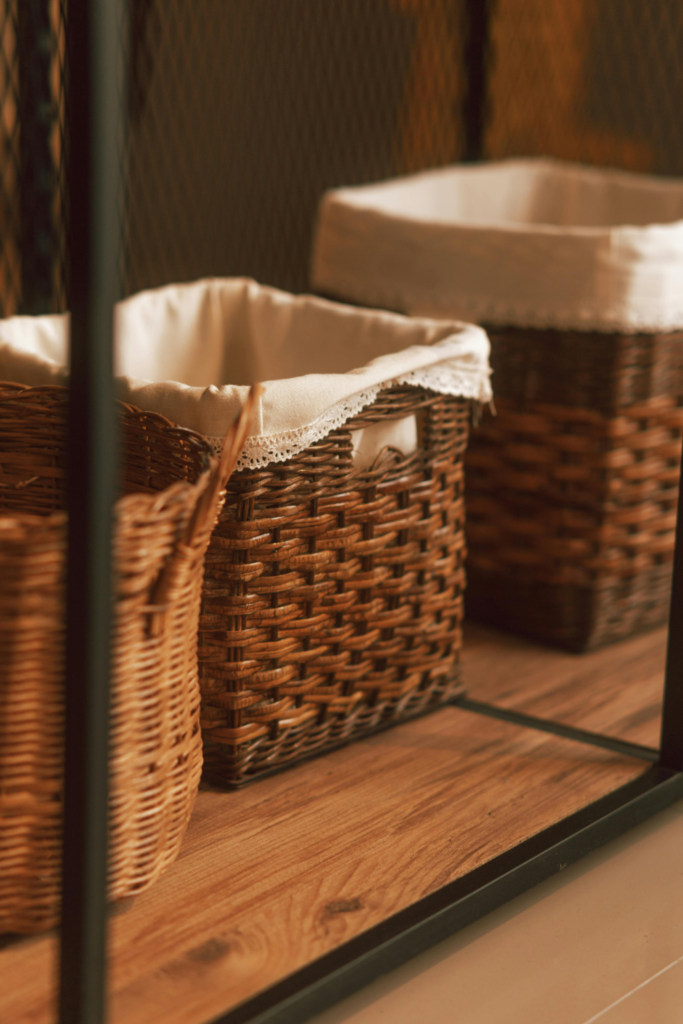
There’s a version of a small bedroom that feels tight and suffocating, and a version that feels cozy and intentional. The rooms are the same size. The difference is entirely in how they’re decorated.
Layer Your Textiles
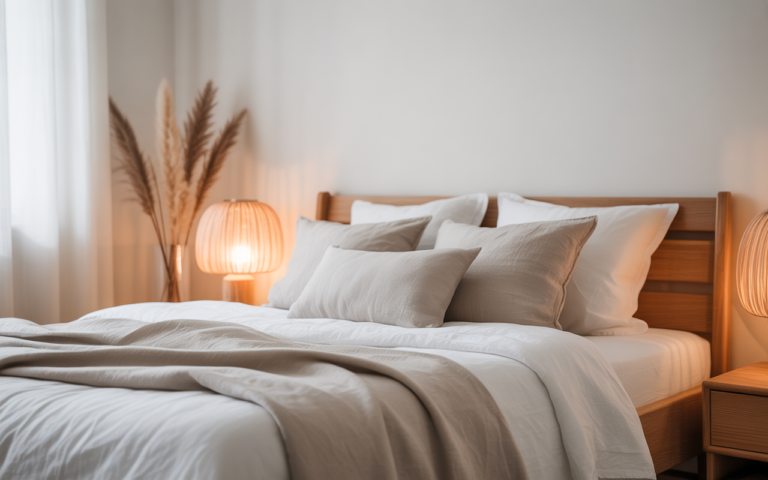
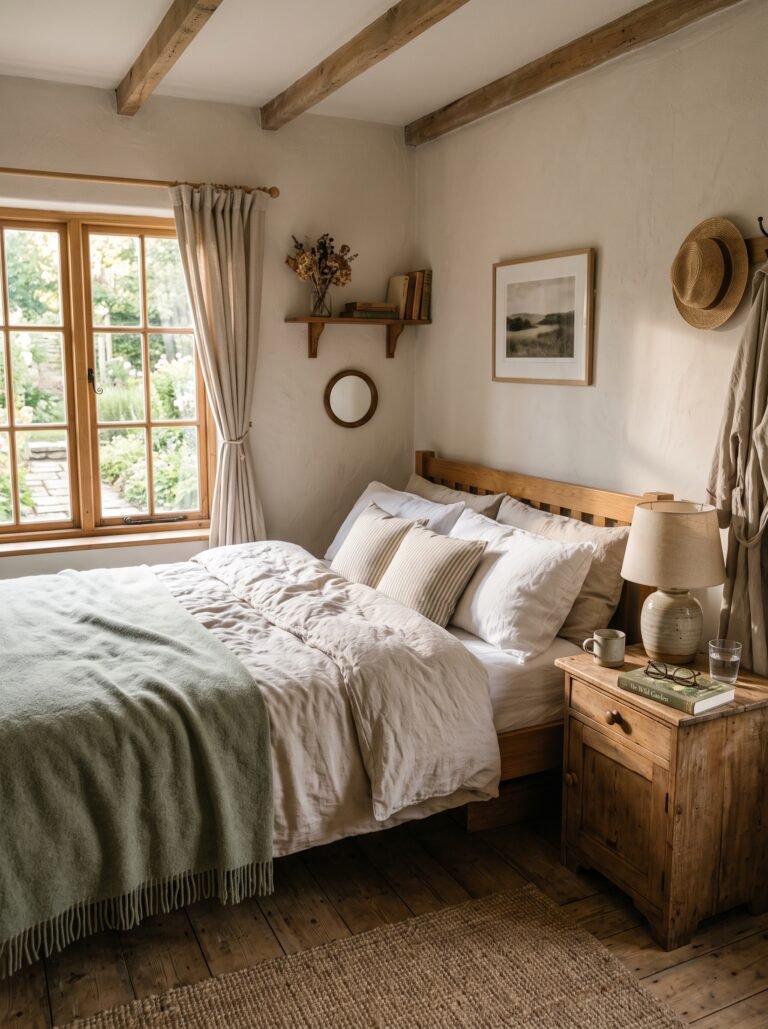
A well-dressed bed is the single most impactful thing in a small bedroom. Layer a fitted sheet, a duvet, a folded throw blanket draped across the foot, and two pillow depths — sleeping pillows behind decorative ones. It sounds like a lot of work. The result is a bed that looks like it belongs in a boutique hotel, which makes the room around it feel more elevated than it actually is.
Linen duvet covers wrinkle in a way that looks intentional rather than messy. A linen duvet cover in a warm neutral — oatmeal, warm white, dusty sage — costs $60–90 and holds up for years. It’s one of the better bedroom investments I’ve made.
One Statement Piece — Not Five
Small rooms get overwhelmed by too many competing focal points. Pick one: a gallery wall, a bold headboard, a large rug, a statement pendant light. Let everything else support it. I tried doing an accent wall and a gallery wall and a statement rug in one small bedroom. It looked like three different people had decorated it. Now I pick one thing and let it breathe.
Go Bigger on the Rug Than You Think
A rug that’s too small looks like a postage stamp and makes the room feel smaller, not larger. In a small bedroom, the rug should sit under at least the front legs of the bed — ideally the front two-thirds. An 8×10 rug works in most small bedrooms and grounds the space in a way that a 5×7 simply doesn’t. If budget is tight, a flatweave rug at 8×10 runs $60–90 and achieves the same visual result as a pile rug at twice the price.
Plants That Don’t Use Floor Space
Plants belong in small bedrooms — they soften hard edges and make the room feel alive. But floor plants compete with furniture for the space your legs need. Use wall-mounted planters, trailing plants hung from a ceiling hook (a pothos cascading from a ceiling mount costs about $6 and looks $60), or small succulents on the floating nightstand shelf. If you love the look of large plants but don’t have the floor space, a single tall dracaena in a narrow-based pot can work in a corner without blocking a walkway. More on bedroom plant ideas in the earthy minimalist bedroom guide.
Questions I Get Asked a Lot About Small Bedrooms
How do I make a small bedroom look bigger without repainting? Three things that don’t require touching the walls: a large mirror placed opposite the window, taking furniture off the floor wherever possible (floating shelves, wall-mounted lights instead of table lamps), and removing anything that doesn’t belong in the bedroom. Clutter makes a small room feel smaller faster than any dark wall color.
What’s the best bed for a really small bedroom? A bed with built-in drawers on both sides is the practical answer — it gives you storage without adding any additional furniture. If space is extremely tight, a daybed with a trundle beneath it works for a guest room or a solo sleeper who wants maximum floor clearance. Always measure before you buy and leave at least 24 inches of clearance on the open side of the bed for comfortable movement.
Can a small bedroom have dark walls? Yes — but one wall, not four. One deep, moody accent wall behind the headboard adds depth and drama without making the whole room feel like a cave. Balance it with light bedding, pale flooring, and at least two light sources. I’ve done this in three different bedrooms and the result is always better than I expect.
What lighting works best in a small bedroom? Wall-mounted sconces or pendant lights hung from the ceiling instead of table lamps — they free up your nightstand surface and keep the floor clear. A warm-toned bulb (2700K) makes a small bedroom feel cozy rather than institutional. If you can only add one light source, a plug-in wall sconce with a cord cover ($25–40) is the easiest upgrade that looks like it was always there.
How do I add storage without the room feeling like a storage unit? Conceal it, match it, and edit it. Furniture that hides its contents (beds with drawers, ottomans with lids, wardrobes with doors) keeps storage invisible. Matching containers — all wicker, all the same color of bin — make open storage look curated. And editing regularly — removing things from the bedroom that don’t need to be there — is the habit that keeps everything else working.
A Small Bedroom Can Be the Best Room in the House
Some of the most beautiful, restful bedrooms I’ve ever been in have been small ones. When space is limited, you’re forced to be deliberate. Nothing makes it in unless it earns its place. That discipline — annoying as it is to develop — produces rooms that feel intentional in a way that larger rooms rarely do.
Start with one area. Maybe it’s finally swapping to floating shelves instead of that nightstand. Maybe it’s painting one wall. Maybe it’s just buying a flat rolling bin and properly organizing what’s under your bed. Small changes add up quickly in small spaces.
My current project: I’m rethinking the closet door in my own bedroom — I have zero organization behind it and I’m wasting at least 8 square feet of usable storage. I’ll share what I do with it.
— Emily
What’s your biggest small bedroom challenge right now? Drop it in the comments — I read every one, and if enough people ask about the same thing, I’ll write a whole post about it.