2026 Home Decor Trends Worth Actually Paying Attention To
Every January, trend reports land like they’ve discovered fire. Earthy tones are back. Curves are in. Statement rugs are having a moment. Most of it is true, some of it is overhyped, and about a third of it is the same thing from last year with a different name.
I’ve been watching what’s actually shifting in real homes — not showrooms, not Pinterest boards that nobody lives in — and putting it together into something useful. These are the 2026 trends that I think are genuinely worth paying attention to, what they actually look like in practice, and a few honest notes on which ones I’d approach with caution.
Earthy Tones Are Staying — And Getting Warmer
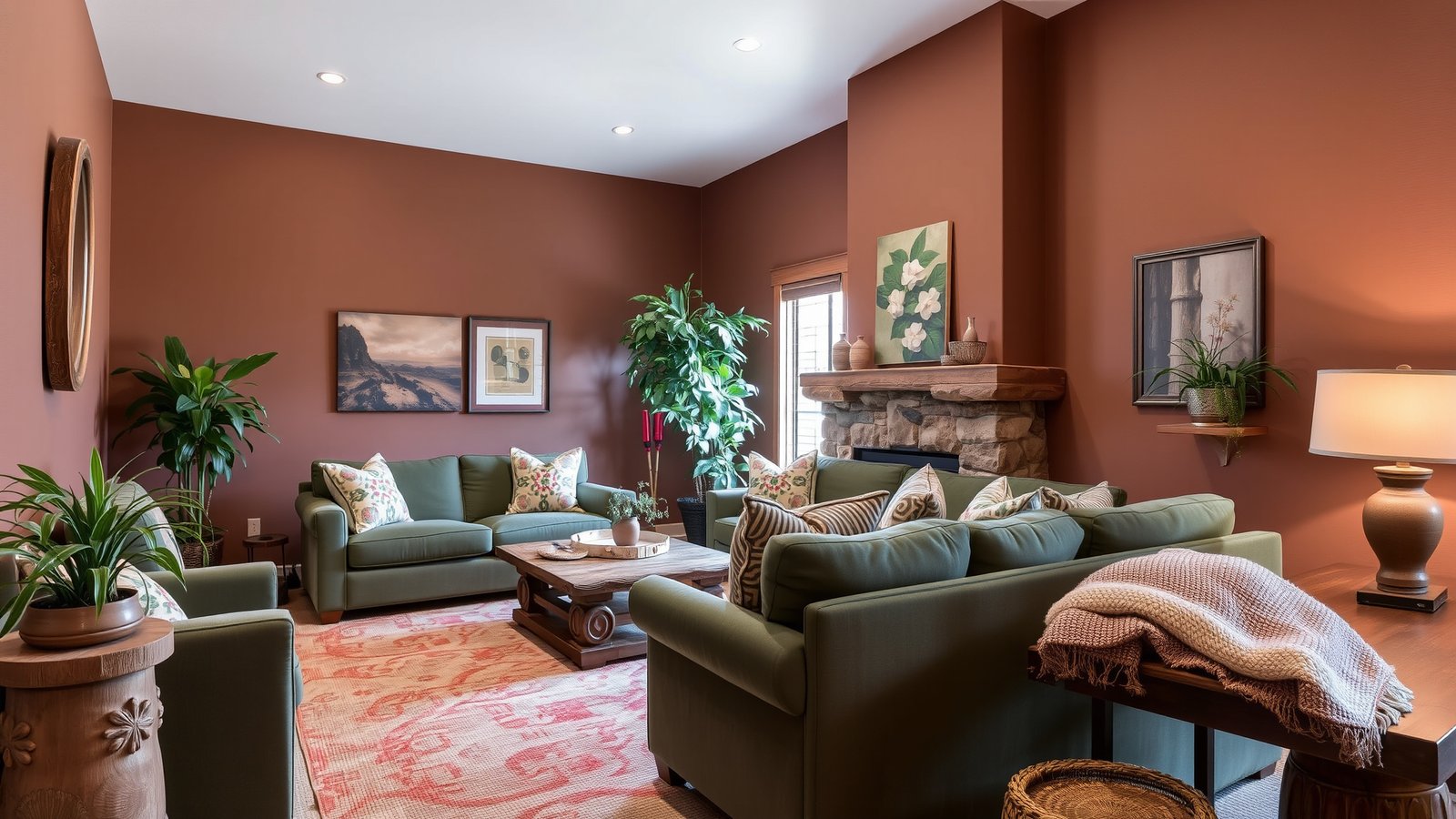
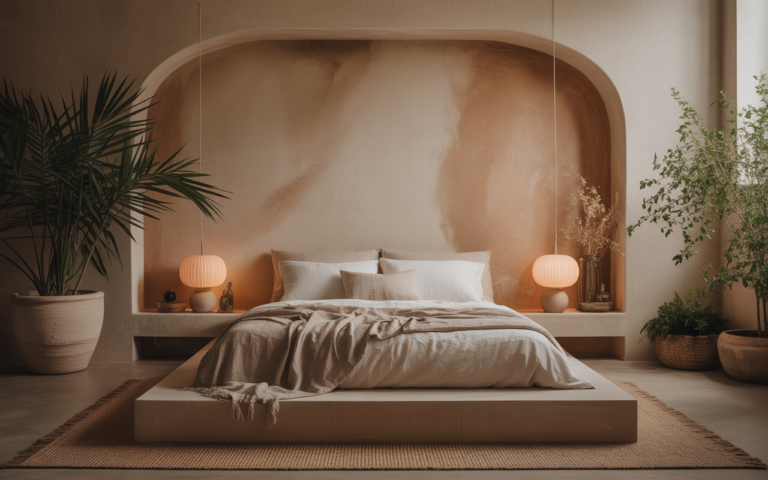
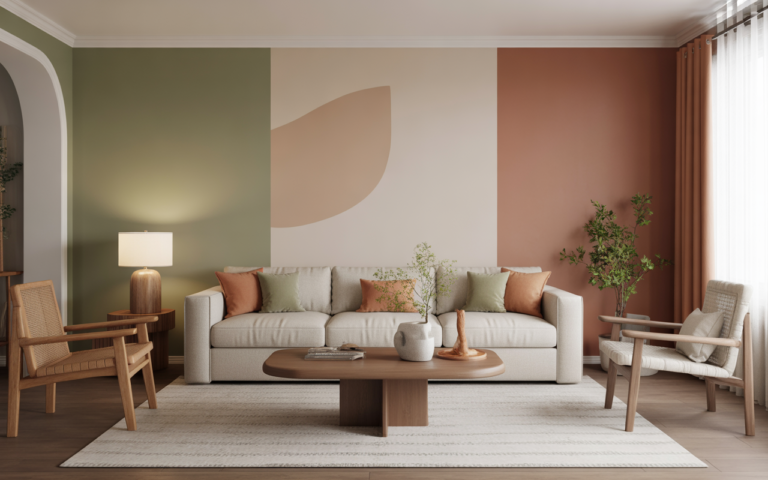
Earthy tones have been building for a few years and they’re not going anywhere in 2026 — if anything they’re getting richer. We’re moving away from the cool, almost-gray version of “natural” that dominated the late 2010s toward something genuinely warm: terracotta that actually reads orange, warm brown that leans toward caramel, ochre, burnt sienna, sage that has yellow in it rather than blue.
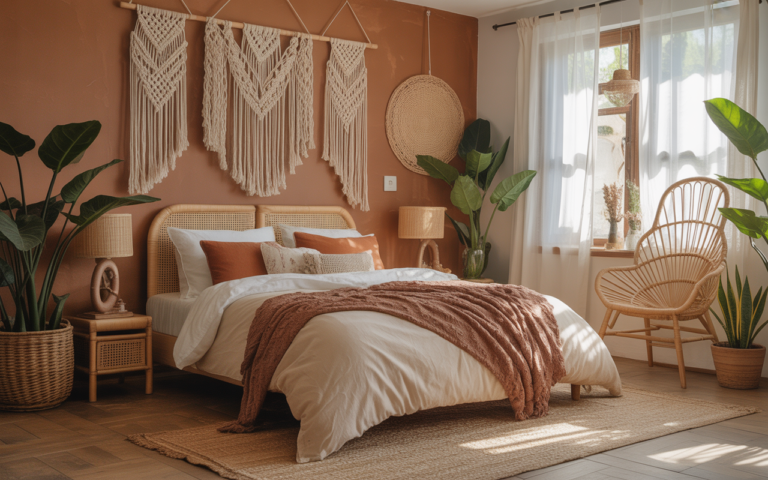
The combination that I keep seeing work in real spaces: warm white walls, one terracotta or ochre accent somewhere (a throw pillow, a ceramic lamp base, a single wall behind furniture), and natural wood in a warm honey or amber tone. Everything feels connected because it’s pulling from the same warm-toned palette.
I tried going full terracotta in my own living room once — walls, cushions, rug, the whole thing. It felt like I was living inside a sunset and not in the good way. One or two earthy accent pieces against a neutral backdrop is the version that breathes. For how these tones are showing up specifically in bedroom color choices, the 2026 paint color trends guide goes into specific paint names and undertones worth knowing.
Biophilic Design — Beyond Just Adding Plants
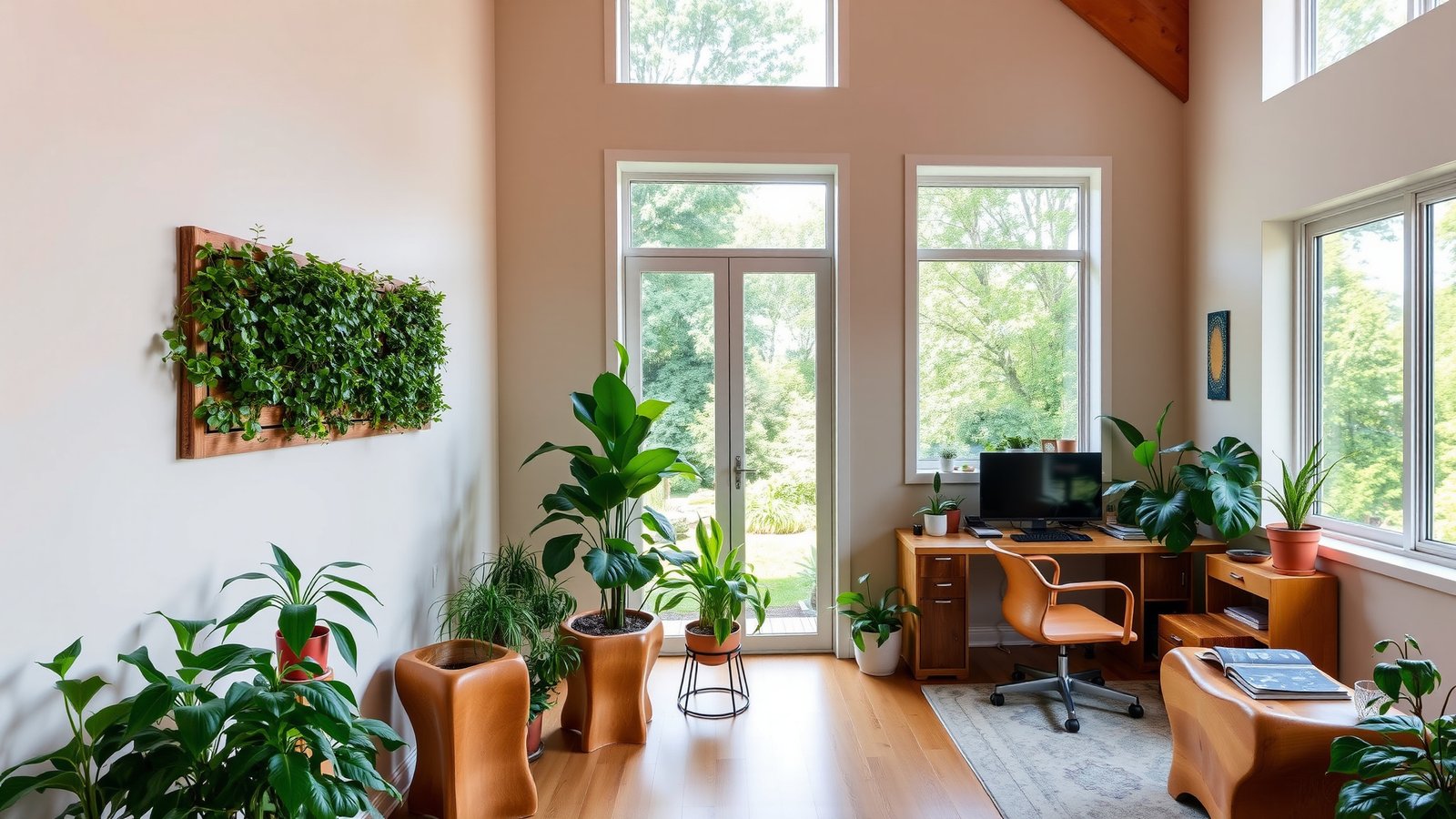
Biophilic design is one of those terms that sounds complicated and describes something pretty simple: your space should feel connected to the natural world. Natural light, living plants, organic shapes, wood and stone, views of the outside where possible.
The research behind it is real — spaces with natural elements genuinely improve mood and focus in measurable ways. But the way it often gets interpreted in decor advice is too literal. “Add plants and you’re done.” Biophilic design is more about how the whole room feels than any single element.
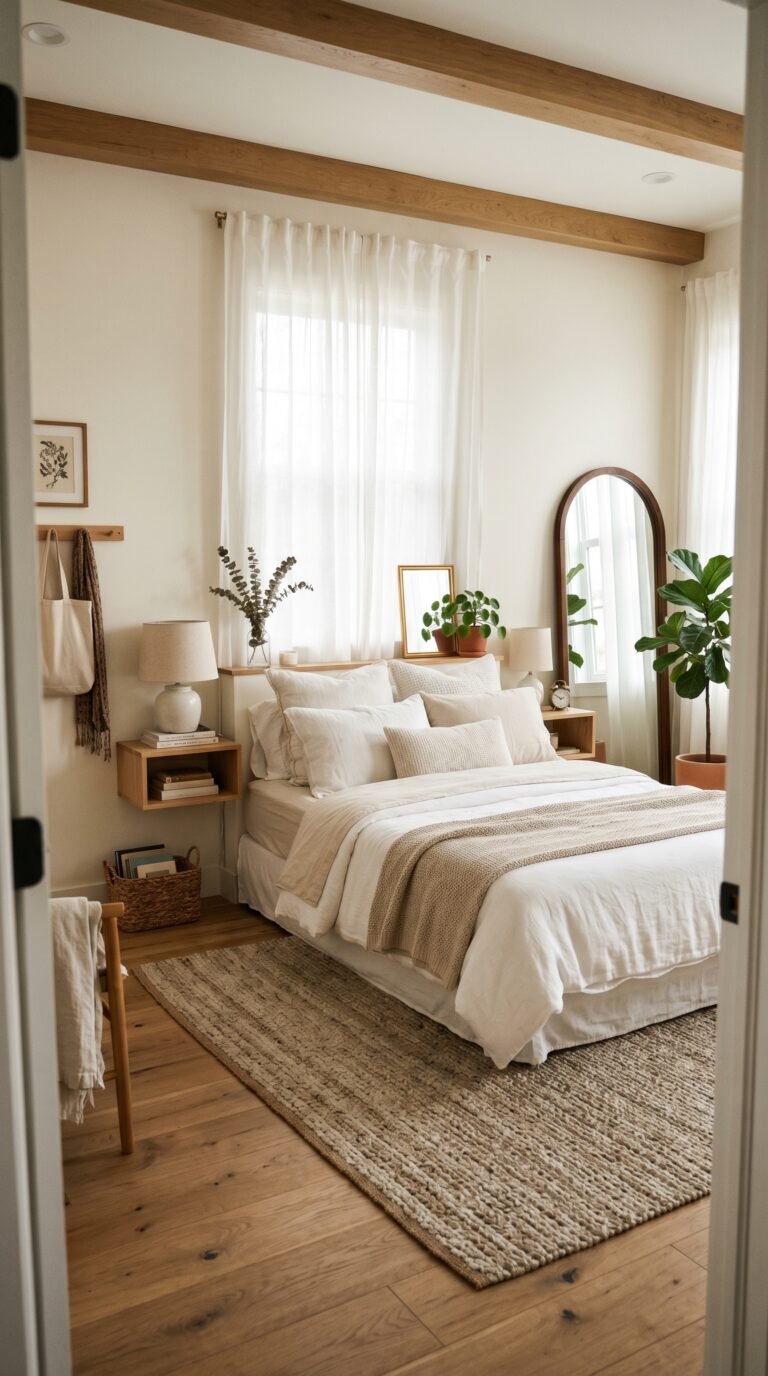
What it looks like in practice: maximizing whatever natural light your space has (sheer curtains instead of blackout, mirrors placed to bounce light inward, keeping windowsills clear), choosing furniture with organic curves rather than strictly right angles, bringing in one or two plants that you’ll actually keep alive, and using natural materials — wood, stone, linen, jute — rather than synthetic substitutes. It’s less about adding nature accessories and more about designing around the light and materials that already exist.
Multifunctional Spaces — Do It With Furniture, Not Dividers
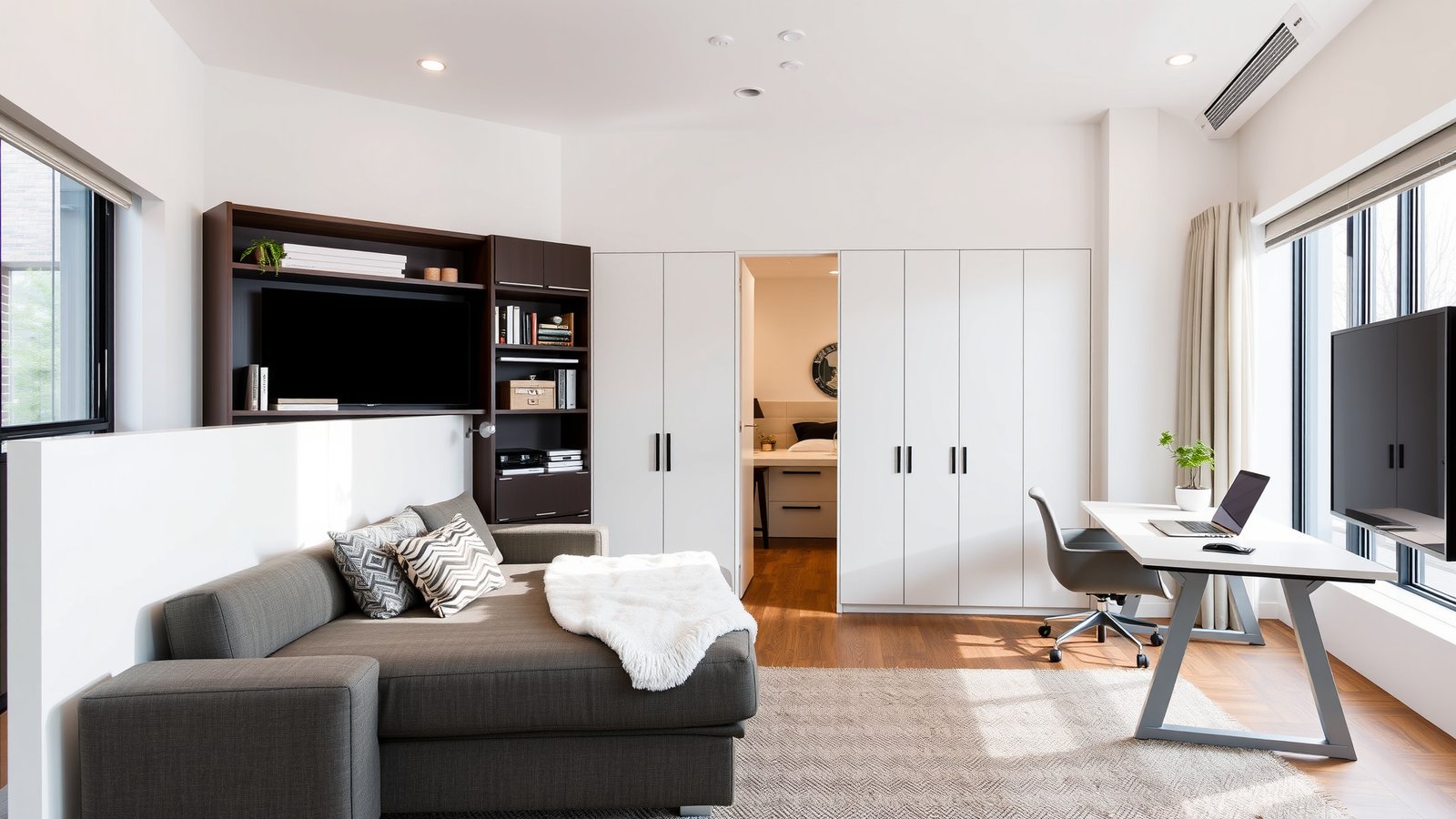
The home office-guest room combination is the multifunctional space most people actually need and most people execute badly. The usual approach: a guest bed in one corner, a desk in another, nothing actually suited to either purpose. The room ends up mediocre at both jobs.
The version that works: a daybed or sofa bed that functions as a proper reading and lounging space when guests aren’t there, a wall-mounted fold-down desk (IKEA NORBERG, $50) that closes completely when you’re not working, and storage that serves both purposes — a wardrobe with a section for guest items and a section for your office supplies.
The same logic applies to dining rooms that double as homework spaces, living rooms that need a workout corner, or studios where the bedroom is also everything else. The furniture does the work — not the room dividers. Room dividers almost always make a space feel smaller without solving the actual problem.
Vintage and Antique Finds — One Statement Piece
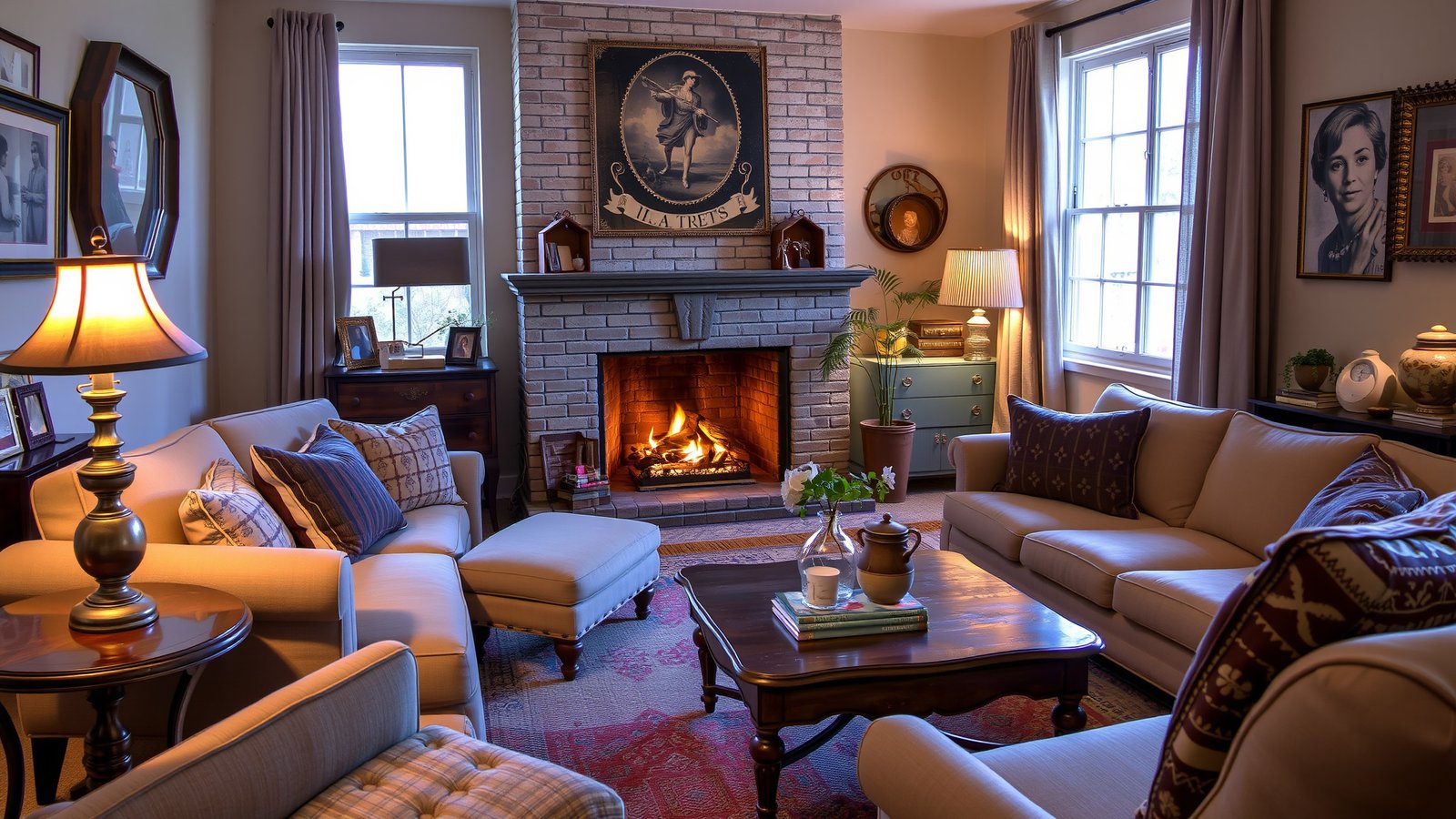
Vintage shopping has gotten harder as it’s gotten more popular — prices at thrift stores have climbed significantly in the past few years as resellers have moved in. But estate sales, Facebook Marketplace, and small-town antique shops still turn up genuinely good pieces at reasonable prices.
The approach that works in a modern home: one vintage piece as the statement, everything else contemporary. An antique dresser in a clean modern bedroom. A 1960s ceramic lamp on a simple floating shelf. A vintage wooden trunk used as a coffee table against a plain white sofa. The vintage piece gets to be the interesting thing in the room — it doesn’t need company.
What I’ve learned the hard way: vintage upholstered pieces require more scrutiny than you think. I bought a beautiful 1970s armchair at an estate sale for $45 and it had a smell embedded in it that no amount of airing out could fix. Always sit in it, press on the cushions, and smell close to the fabric before buying anything upholstered.
The Minimalist Aesthetic — It’s a Practice, Not a Purchase
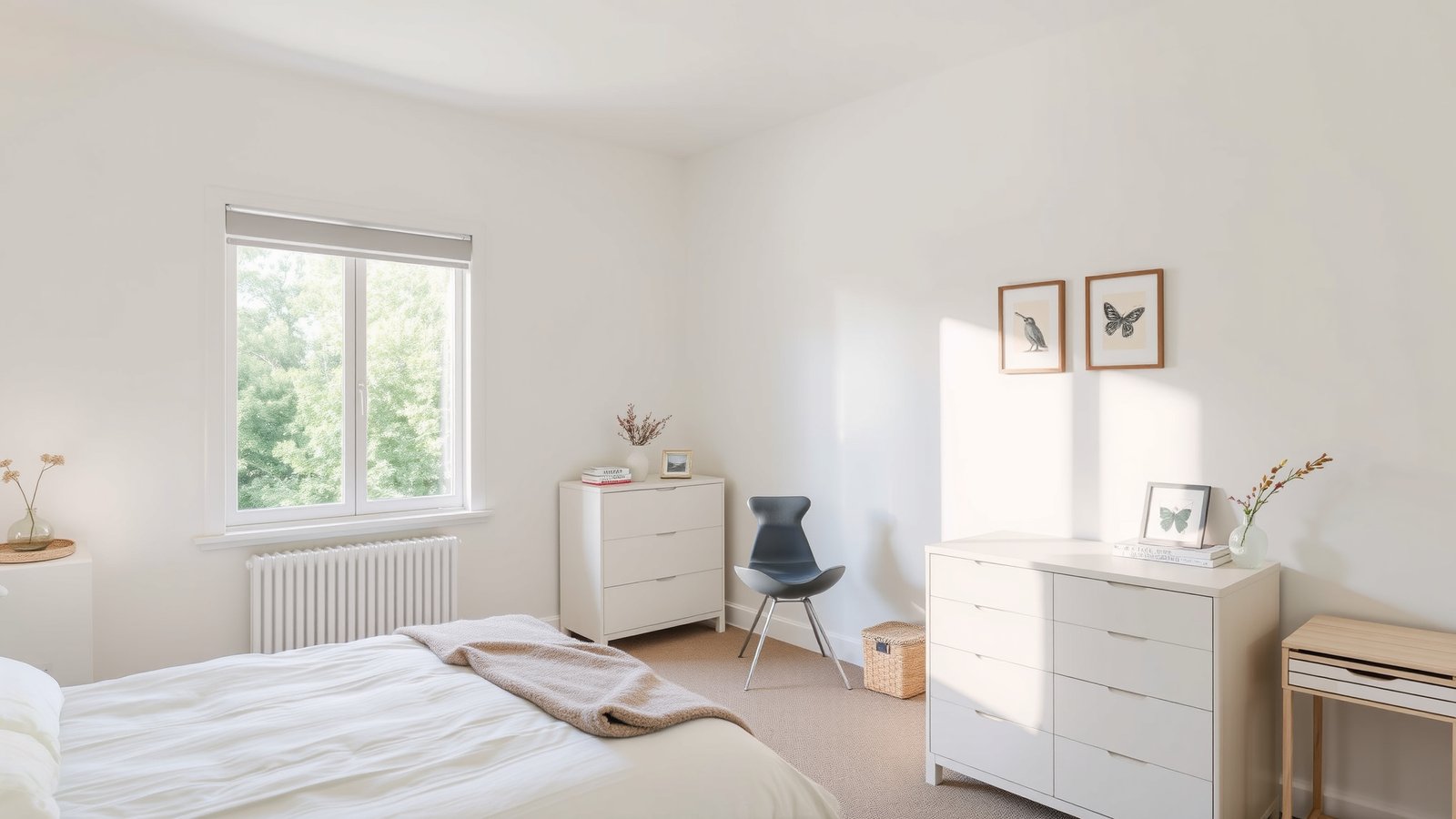
Minimalism is probably the most misunderstood trend in home decor. People interpret it as “buy less stuff” and then go out and buy minimalist-looking stuff. New white furniture, clean-lined accessories, empty-looking shelves staged with two items and a lot of space. That’s minimalist aesthetics — it’s not the same as minimalism.
Real minimalism is an ongoing editing process. It’s the decision to remove the decorative bowl of pinecones from the coffee table because you don’t love it — not because it’s messy, but because it’s not earning its place. It’s choosing not to replace things when they break if you’re not sure you actually need them. It’s a habit more than a look.
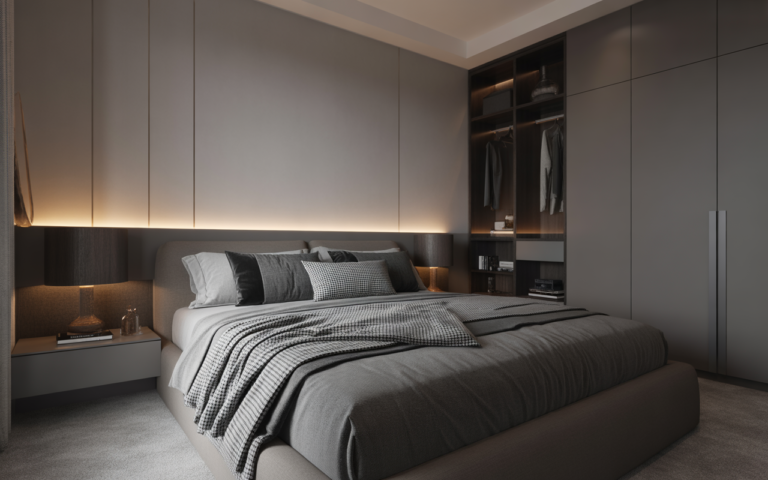
The practical starting point: pick one room and remove everything non-essential for a week. Live with the empty version. Notice what you actually miss. Add back only those things. What remains after that process is your actual minimalist room — not a staged version of one. For how this translates specifically to smaller bedrooms, the earthy minimalist bedroom guide has a more specific framework.
Warm Lighting — The Single Most Impactful Change in Most Homes
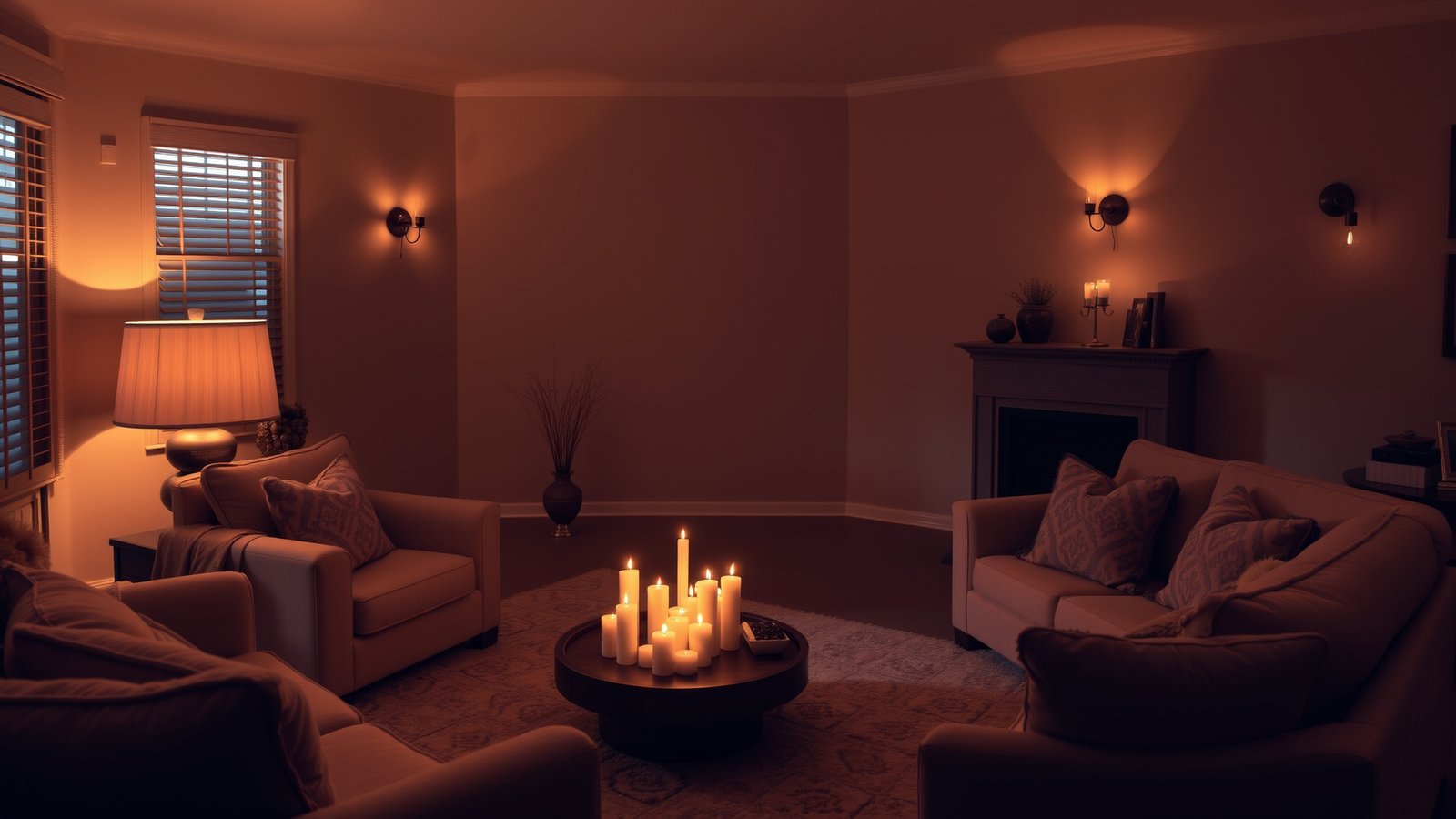
If there’s one change I’d tell every single person to make in their home in 2026, it’s this: replace every cool-white or daylight bulb with a warm-white one. 2700K or lower. Do it today. The difference is immediate and the cost is nothing — a pack of warm LED bulbs runs $8–15 and changes the way a room feels at night more than any piece of furniture or any amount of styling.
Cool light makes rooms feel like offices. Warm light makes them feel like homes. That’s not subjective — it’s a measurable shift in how the brain processes the space.
Beyond the bulb temperature: layered lighting beats single overhead lighting in every room. One overhead light plus a floor lamp plus a table lamp creates three different light levels and a warmth that no single ceiling fixture can match. Plug-in floor lamps and table lamps don’t require an electrician and start at $30–60 at most home goods stores. This is the high-ROI improvement that most people overlook because it’s not as visually dramatic as a new sofa.
Textured Fabrics — Specifically Linen and Boucle
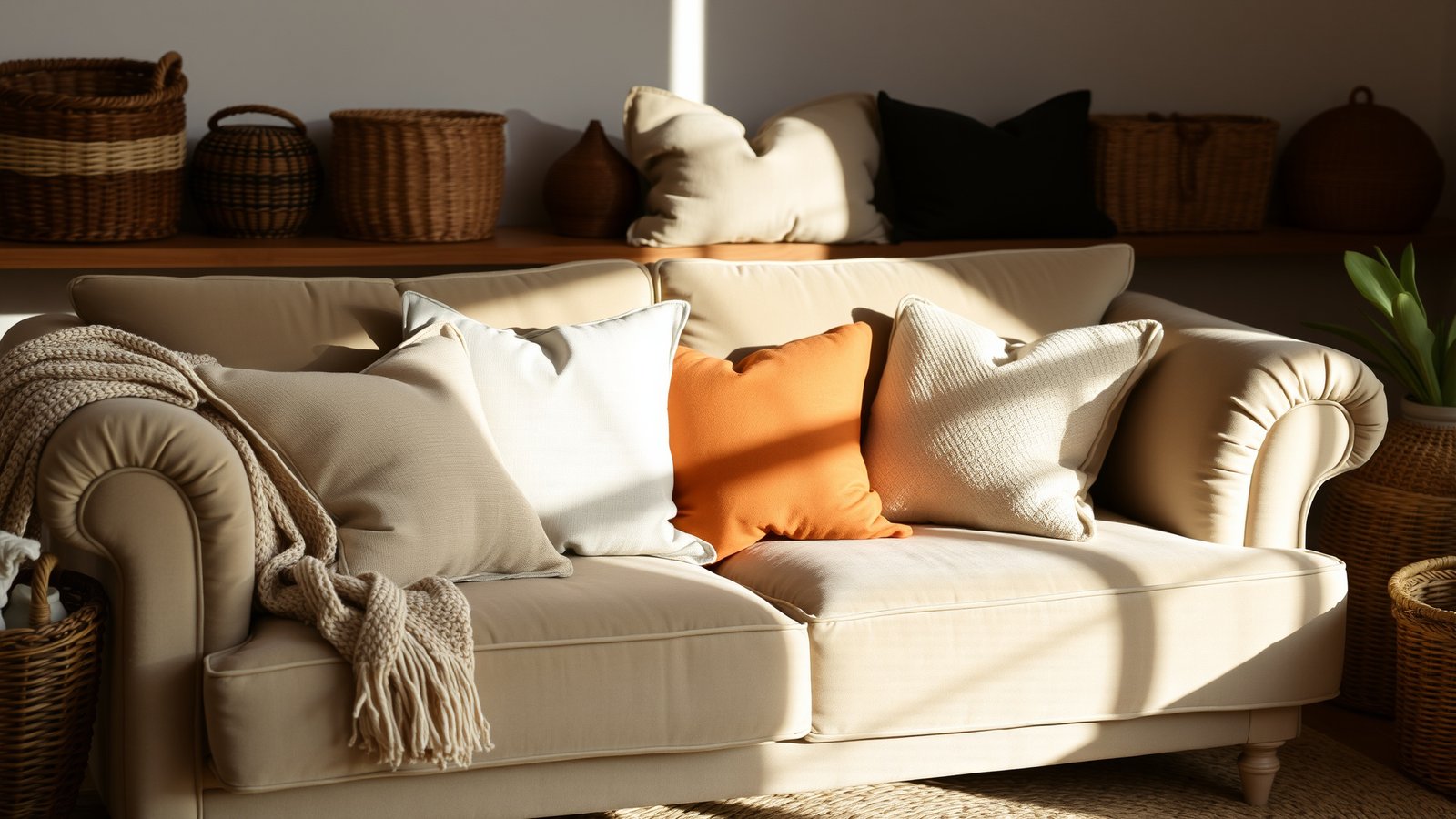
Texture in fabric is doing more work in interiors right now than color is. The rooms that feel genuinely inviting in 2026 aren’t necessarily the most colorful ones — they’re the ones where you can tell from across the room that things would feel good to touch.
Boucle — the looped, slightly fuzzy fabric that looks a bit like fluffy wool — is everywhere right now and for good reason. A boucle accent chair or small sofa reads warm and expensive and soft without being precious. IKEA’s GRÖNLID sofa in its textured cover options is an affordable entry point. For a chair, boucle accent chairs run $150–350 at most furniture retailers and look significantly more expensive than that price suggests.
Linen is the other texture worth prioritizing. Linen cushion covers, linen curtains, linen duvet covers — all of it adds a softness and lived-in quality that synthetic fabrics can’t replicate. It wrinkles. That’s not a problem. In linen, wrinkles look intentional.
Sustainable Decor — Buy Less, Buy Better
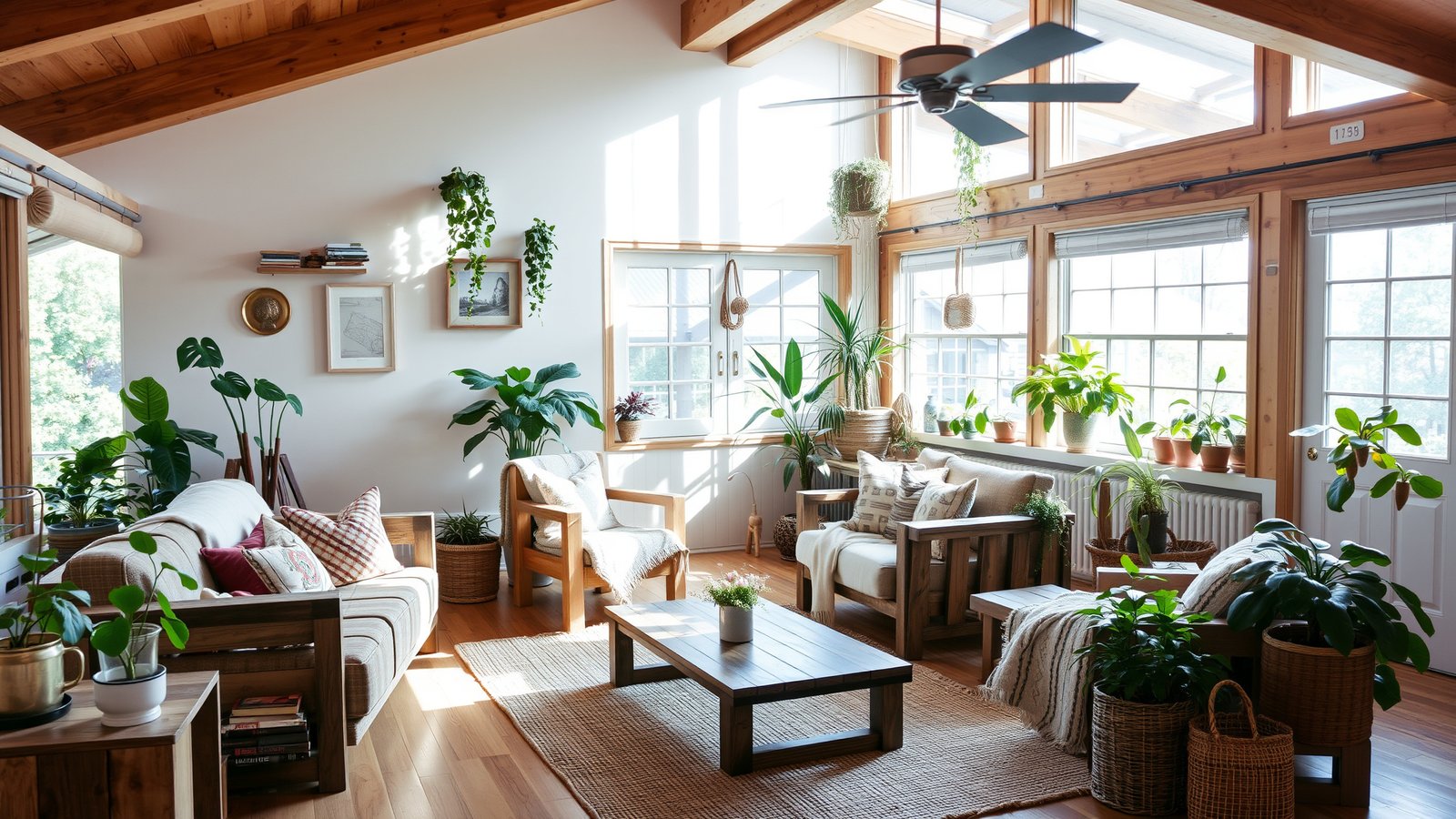
Sustainable decor in 2026 has moved past the novelty phase. It’s less about buying the thing with an eco label and more about a different overall relationship with how we furnish our homes — buying fewer things, buying better quality, keeping things longer, and sourcing secondhand first.
The most sustainable piece of furniture is the one you already own. Before buying anything new, the question worth asking is whether there’s a version of what you need already in your home that could be repurposed, moved, or refinished. A dated oak dresser can be painted, rehardwared, and look completely current for $30 in supplies. That’s more sustainable than buying a new one and more interesting too.
When buying new: look for natural materials with longevity — solid wood over particleboard, wool or cotton over polyester, ceramic over plastic. Things that can be repaired when they break rather than thrown away when they do. The upfront cost is usually higher. The ten-year cost is almost always lower.
Bold Wallpaper — One Wall, Done Properly
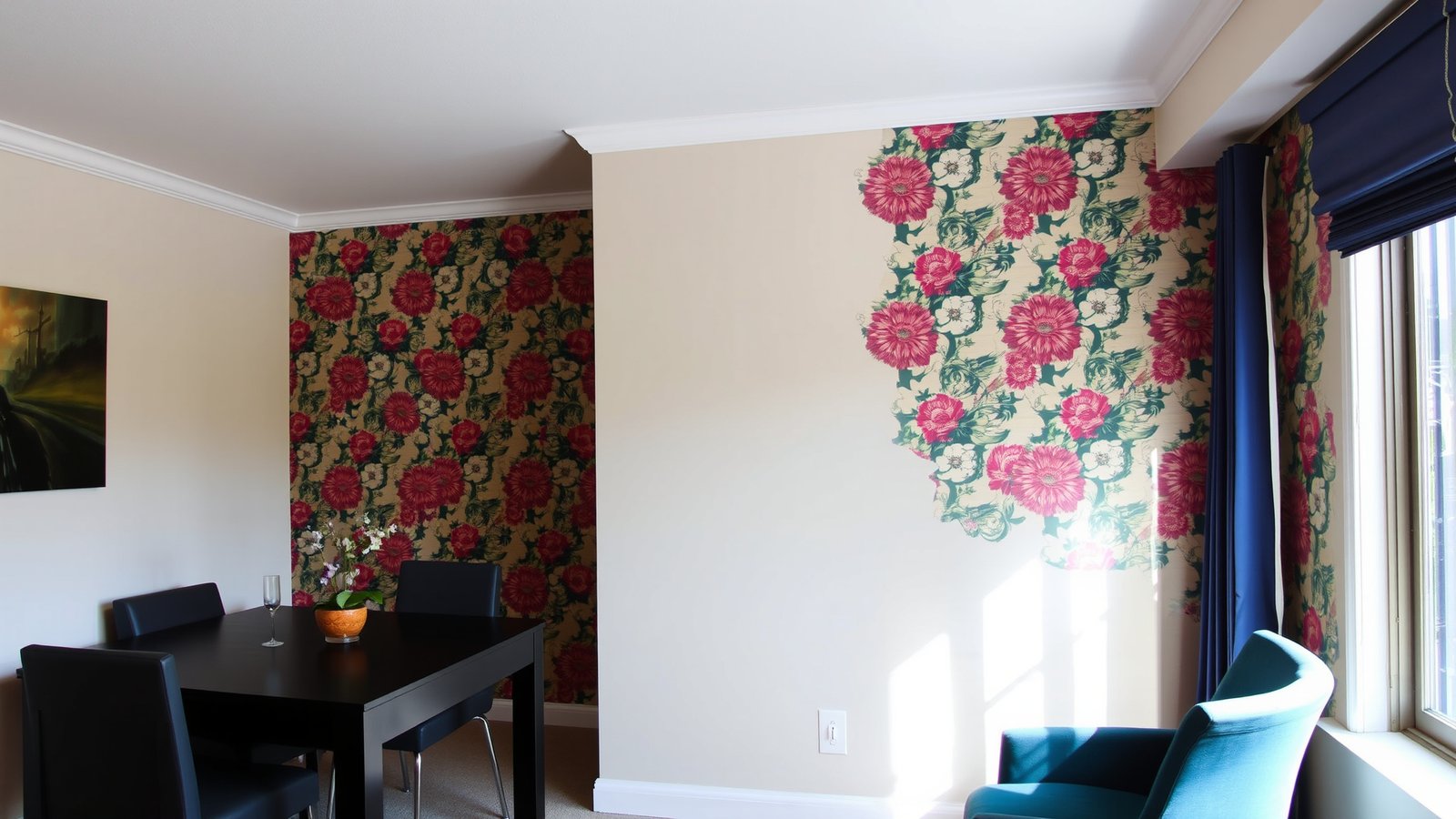
Bold wallpaper had a long exile in the era of white-everything interiors and it’s genuinely back in a way that feels different from previous comebacks. The patterns available now — botanical prints, abstract watercolors, textural grasscloth, geometric patterns with real sophistication — are significantly better than what was available a decade ago.
The one-accent-wall approach is still the right call for most rooms and most people. A full-room wallpaper commitment requires real confidence in the pattern, because you’ll be living inside it every day. One wall behind the bed, behind the sofa, or in an entryway — that’s enough to make the statement without surrounding yourself in it.
Removable peel-and-stick wallpaper has improved dramatically in quality. Brands like Chasing Paper and Tempaper make genuine products that go on smoothly, look close to traditional wallpaper, and come off without damaging walls. For renters, this is the most significant development in decor accessibility in recent years. A single accent wall in a standard bedroom takes about 2–3 rolls at $45–75 per roll — a real room change for under $200.
Curved Furniture — Worth the Investment
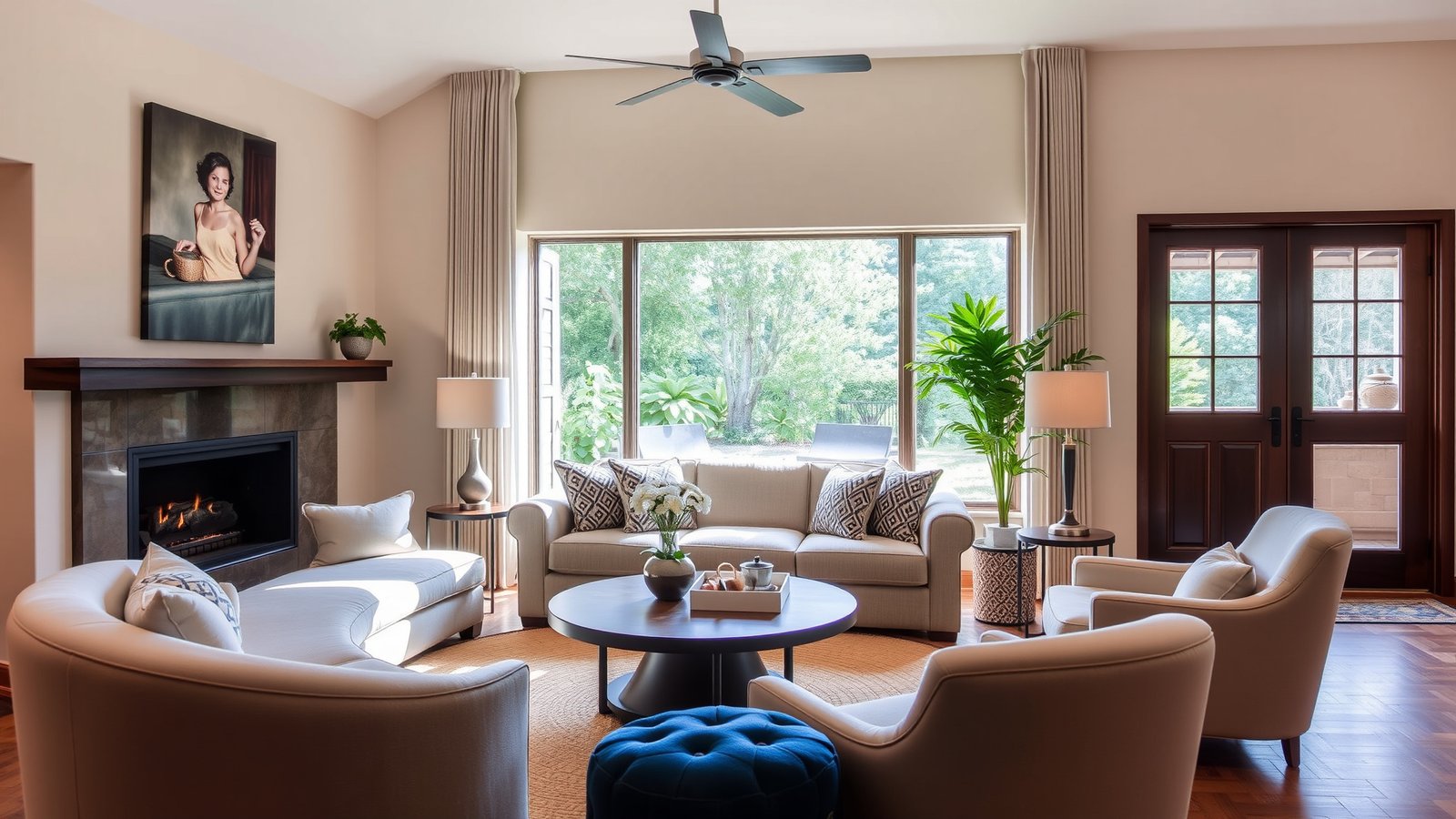
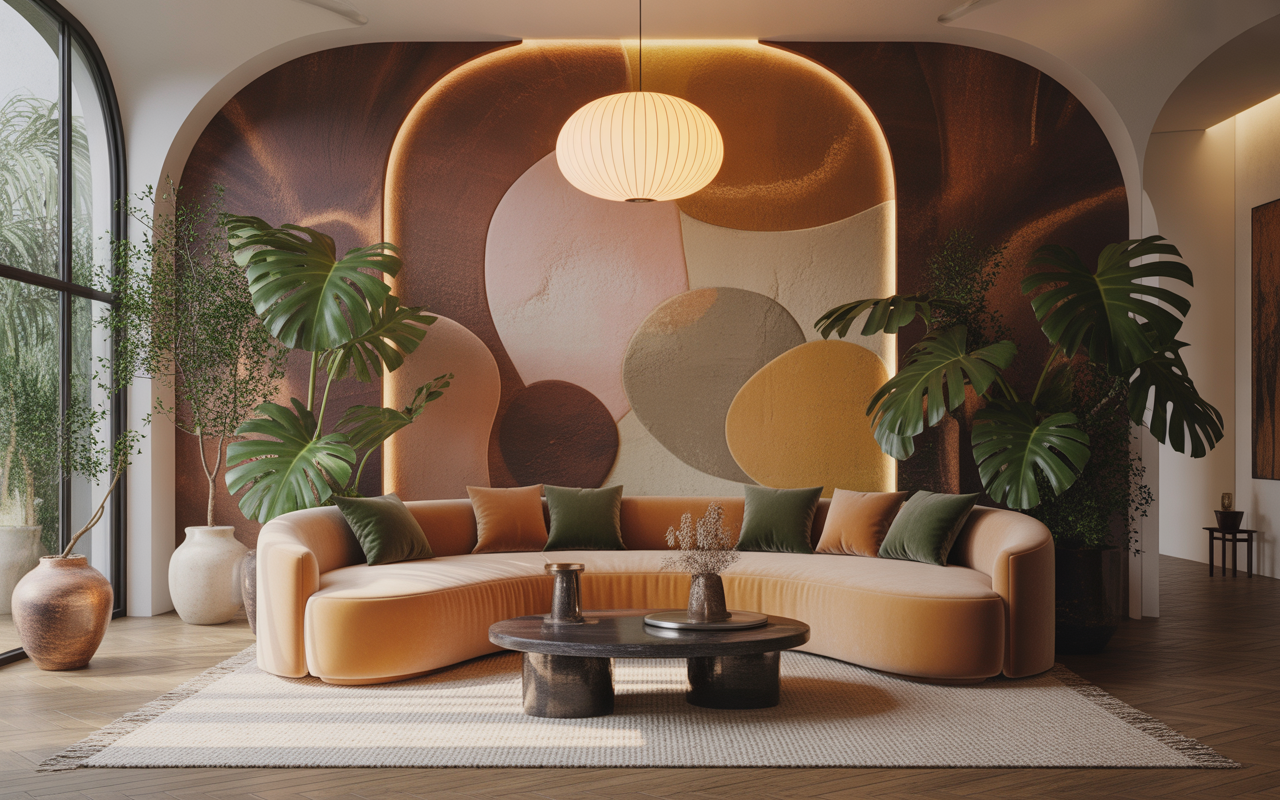
Curved furniture is one of those trends that sounds like it might be a passing phase and then you put a curved sofa in a living room and realize it was always going to win. Right angles are efficient. Curves are inviting. A rounded sofa says sit here in a way that a square sectional with straight arms doesn’t.
The curved pieces that are worth investing in: a curved sofa or loveseat as the main seating in a living room (this is worth spending on — a good curved sofa from a proper furniture retailer will last a decade), or a rounded accent chair in a bedroom reading corner. CB2, Article, and West Elm all have solid options. At a lower price point, Wayfair’s selection of curved chairs has expanded significantly and the quality of mid-range options has improved.
What doesn’t need to be curved: everything. A rounded sofa paired with a round coffee table paired with a curved side table and a circular rug starts to feel like a room designed by someone who just discovered circles. One or two curved hero pieces against more angular supporting furniture creates the contrast that makes curves read as a design choice rather than a theme.
Personal Touches — Make It Unmistakably Yours
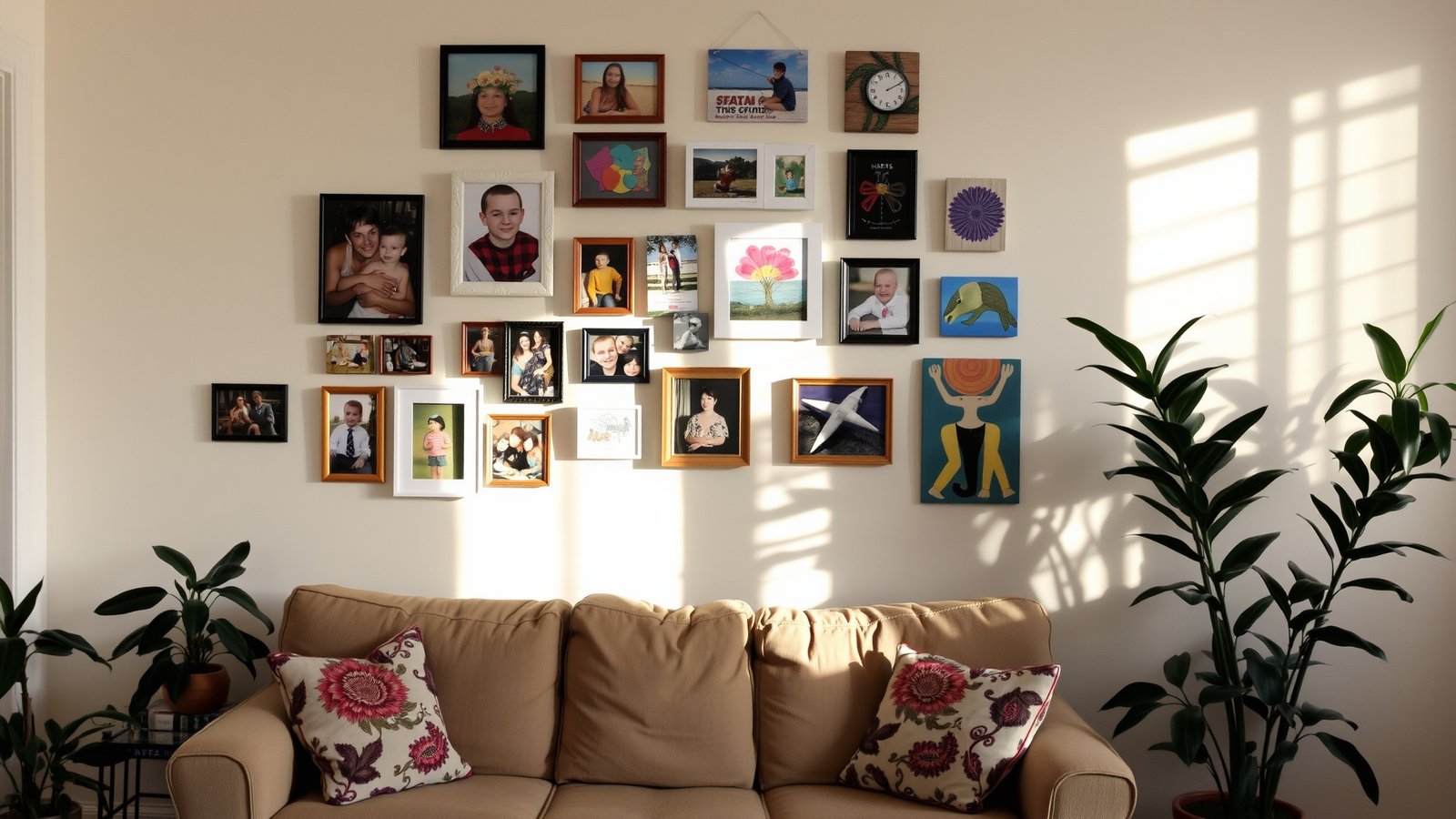
The counterweight to minimalism as a trend is this: rooms that feel like nobody lives in them are not aspirational anymore. People are tired of spaces that look staged. In 2026, the rooms that resonate are the ones that are clearly inhabited by a specific person with a specific life.
That doesn’t mean putting everything meaningful on display. It means choosing two or three things that genuinely matter to you and giving them a proper place — a small shelf, a gallery wall section, the top of a bookcase. A framed photo from a trip that changed you. A piece of art you bought because you loved it, not because it matched. A ceramic bowl made by someone you know.
The mistake is treating personal touches as decoration. They’re not — they’re evidence of a life. When they’re treated that way, they read completely differently than the curated “lifestyle” objects that fill design stores. Consistency of framing helps (matte black or natural wood frames, not a mix of both), but the content itself carries the room.
Open Shelving in 2026 — Styled, Not Stuffed
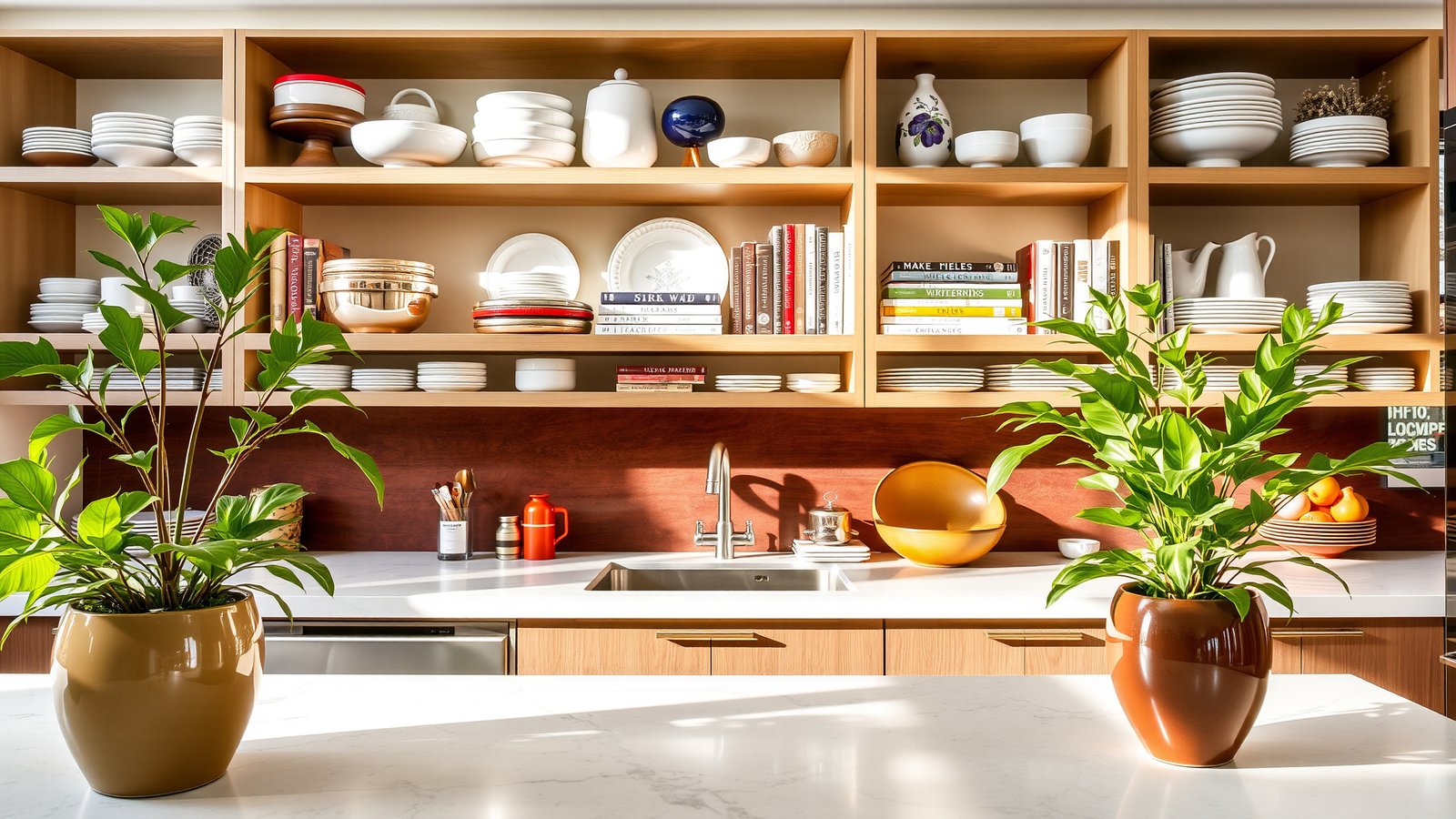
Open shelving keeps appearing in trend reports because it genuinely works when done well. The 2026 version is more restrained than what we saw in the peak open-shelf years — fewer objects, more breathing room, treated more like a curated display than a storage solution.
The principle that makes open shelves work: 60% display, 40% breathing room. Every shelf should have intentional empty space. The objects on the shelf should be worth looking at — books arranged by color or size, a plant with room to grow, a piece of ceramics that earns its place. The rest goes in a closed cabinet.
For a living room, open shelves flanking a television console are one of the most underused opportunities in most homes. Two simple IKEA KALLAX units ($69 each at 30×57 inches) flanking a TV unit costs under $150 and creates built-in-look shelving that makes the whole wall feel intentional rather than accidental.
Statement Rugs — Bigger Than You Think You Need
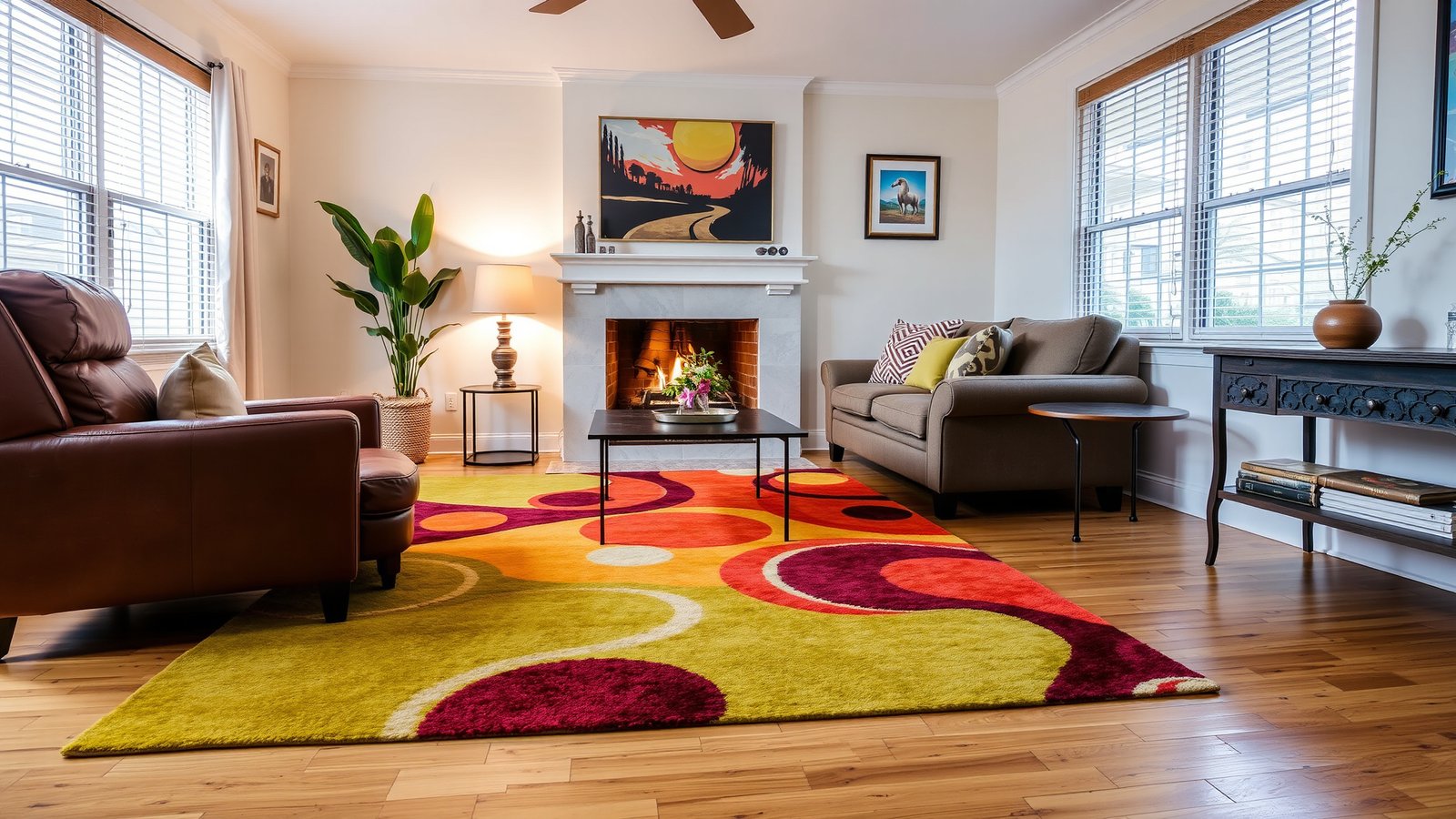
Rug sizing is where most people underestimate and it shows. A rug that’s too small for the furniture grouping looks like a postage stamp and makes the room feel smaller, not larger. In a living room, the rug should extend at least 8 inches beyond the edges of the sofa on each side. In a bedroom, it should sit under the front two-thirds of the bed.
An 8×10 rug anchors most standard living rooms. A 9×12 handles larger open-plan spaces. The difference in price between a 6×9 and an 8×10 is often smaller than people expect, and the difference in how the room feels is significant.
For pattern: a bold geometric or abstract rug reads well in a room with mostly neutral furniture. A softer, more tonal rug (different shades of the same color, or a subtle texture rather than a print) works in a room where the furniture is already doing more visual work. The rug and the sofa rarely need to compete.
Colorful Kitchen Accents — Without Committing to Paint
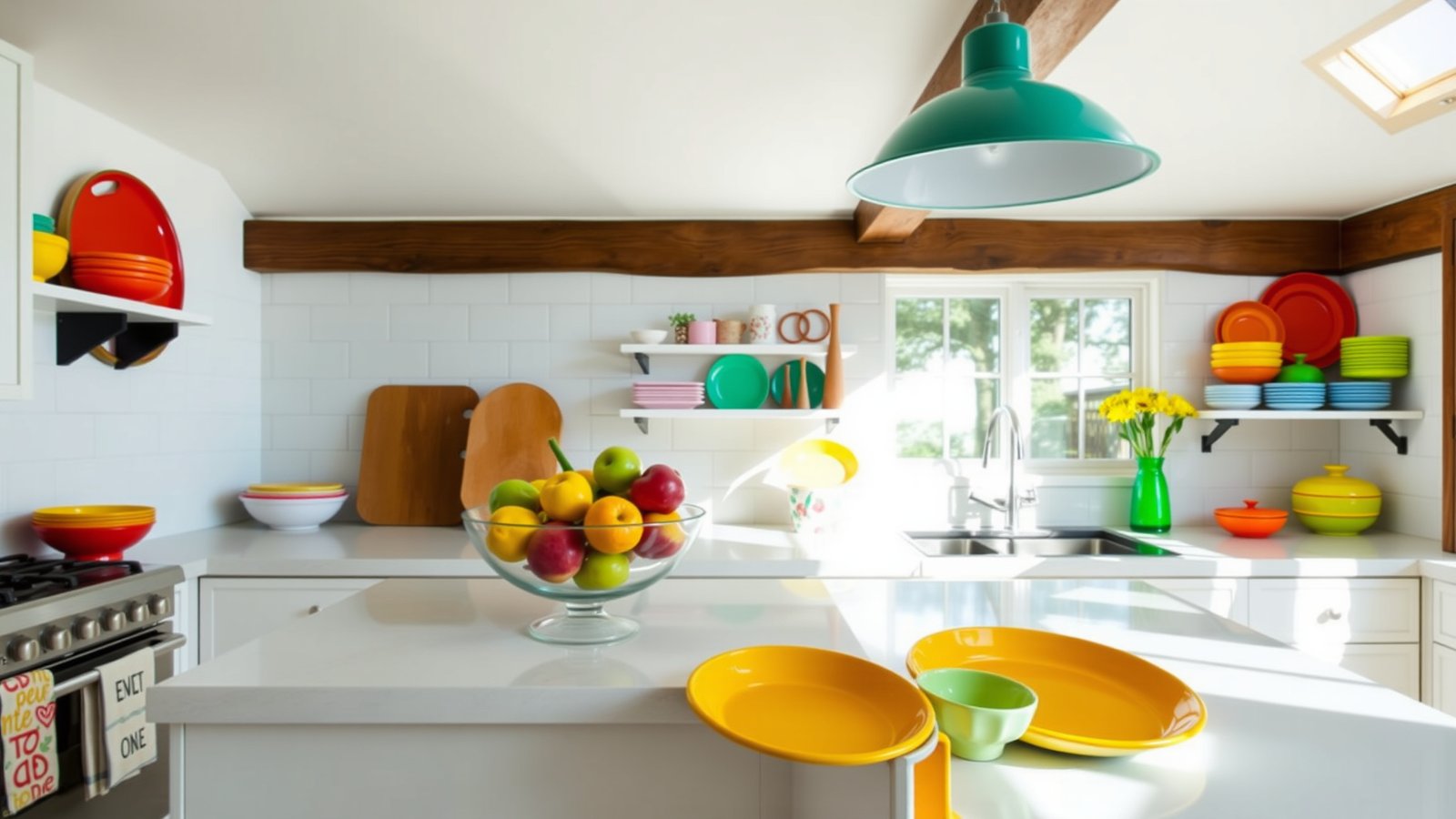
The kitchen is usually the last room people experiment with color in because it feels permanent. But most kitchen color in 2026 is happening in the accents, not the infrastructure — and accents are completely reversible.
A set of colored Le Creuset or Staub cookware ($50–180 per piece) left visible on the stovetop or open shelf adds significant color with the bonus of being genuinely useful. A KitchenAid stand mixer in a bold color ($350–400) is the kitchen statement piece with the longest shelf life — people keep these for twenty years. Colored dish towels, a ceramic fruit bowl in a warm terracotta or cobalt, open shelves with colorful dishware — all of these can be changed the moment you want a different direction.
For the version that’s completely commitment-free: a bright kettle and a matching canister set. $40–80 total, picked up in one afternoon, and the kitchen feels ten degrees warmer immediately.
Smart Home Integration — Start With the Right Two Things
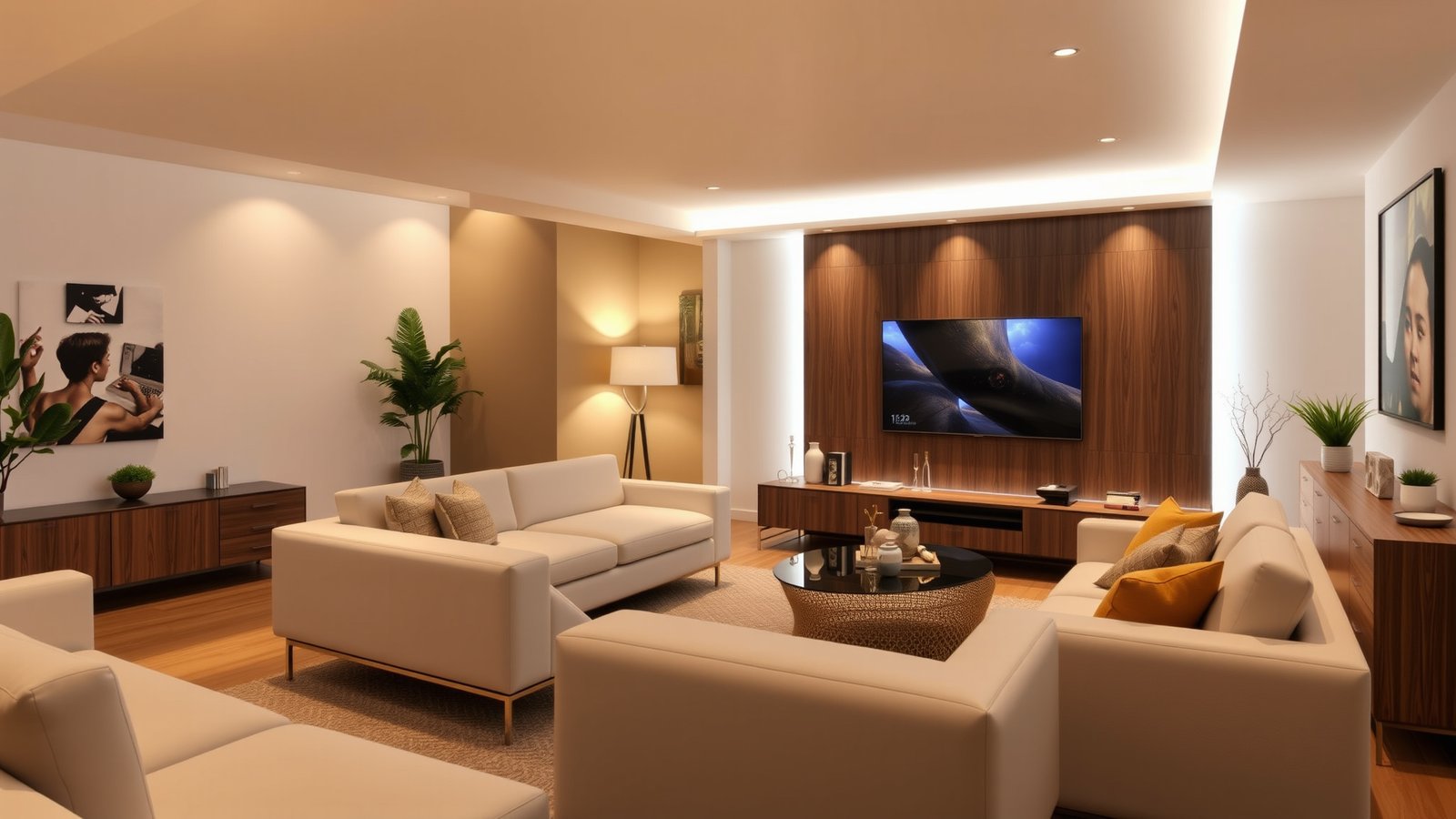
Smart home technology is genuinely useful when it disappears into the room. When it’s visible, conspicuous, and requires a manual to operate, it adds friction rather than removing it.
The two smart home additions that make the most practical difference in daily life, in my experience: smart bulbs and a smart speaker. Smart bulbs (Philips Hue or IKEA TRÅDFRI, $15–25 per bulb) let you adjust warmth and brightness from your phone or by voice, which is genuinely useful in rooms where you shift between activities — bright for reading, warm for winding down. A smart speaker ($35–100) handles timers, music, questions, reminders, and voice control without requiring you to pick up your phone.
Beyond those two: the smart devices that get used daily are the ones that solve a specific, real annoyance in your routine. The ones that get used twice and then forgotten are the ones that sounded useful in theory. Identify the actual friction points in your daily home routine before adding technology to solve a problem you might not have.
Questions I Get Asked a Lot About 2026 Home Decor Trends
Do I need to follow trends to have a stylish home? No — and some of the most beautiful homes I’ve been in deliberately ignore trends altogether. Trends are useful as a reference point for what’s feeling current and what’s starting to feel dated, but they’re a terrible framework for making permanent decisions about your space. The question that serves you better: does this feel like me? Is this something I’ll still want in five years? Buy what you genuinely love, and the trends will take care of themselves.
Which 2026 trend works for the smallest budget? Warm lighting, without question. Replacing every cool-white bulb in your home with warm 2700K LEDs costs $15–25 total and the impact on how every room feels in the evening is immediate and significant. After that, a textured throw blanket in linen or boucle ($30–50) and a secondhand vintage piece from Facebook Marketplace or a thrift store. None of these require a renovation budget.
How do I incorporate earthy tones without repainting? Through textiles and accessories first. Terracotta, ochre, and warm brown throw pillows ($15–30 each), a jute or sisal rug, ceramic pieces in warm clay tones on shelves and tables. These can all go back out if you change your mind. Earthy tones also translate beautifully into plants — the pots matter as much as the plants themselves, and a terracotta pot is $3–8 at a garden center.
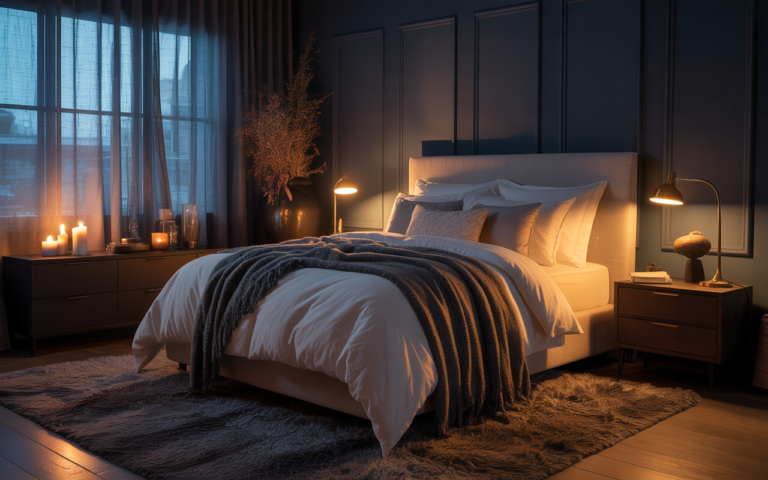
Is curved furniture worth the higher price point? For a sofa or main seating piece, yes — curved furniture tends to be priced higher than angular equivalents because the construction is more complex, and the quality of higher-priced pieces genuinely shows up in how long they hold their shape. For accent chairs and smaller pieces, there are solid mid-range options in the $150–300 range that perform well. The cozy moody bedroom ideas guide has some good examples of how curved chairs read in a bedroom context.
How do I make my home feel current without constantly buying new things? Rearrange what you have first — moving a lamp from one room to another, rehoming a piece of furniture that’s in the wrong room, swapping throw pillows between sofas. Refresh what already exists: clean everything properly, touch up paint where it’s scuffed, re-hang art at the right height. Then edit — remove things that aren’t working before adding anything new. Most homes don’t need more things. They need the things they already have placed better.
Pick One Trend and Actually Try It
The most useful thing about trend reports isn’t the list — it’s the permission to try something you’ve been thinking about but second-guessing. Maybe it’s the bold wallpaper you’ve been saving on Pinterest for two years. Maybe it’s finally committing to warm bulbs throughout the whole house. Maybe it’s one secondhand vintage piece that would make the living room feel like someone interesting lives there.
Pick the one that resonates and do it this month. Not the whole list. One thing. Small changes in real homes beat big aspirational plans every time.
I’m currently in the middle of a living room rearrange that has been sitting at 60% done for two weeks. I moved the sofa and now nothing else looks right. I’ll share what I do about it when I figure it out.
— Emily
Which of these trends are you most excited to try this year? Drop it in the comments — I’m always curious what people are actually working on in their homes.